Cadence is more than just a buzzword; it’s the heartbeat of creativity that intertwines rhythm, timing, and flow across art forms. From the adrenaline-fueled speed of athletes barreling down a track to the soulful refrains of our favorite songs, cadence captures a universal experience. This compelling interaction between movement and sound has shaped how we engage with our world and ourselves. So, let’s dig into the fascinating aspects of cadence and how it influences our lives every day.

Understanding Cadence Through Movement and Sound
When talking about cadence, we can explore how fundamentally it affects our existence. Think about music for a moment. In the world of melodies, cadence acts as a signal—a progression of chords that leads listeners towards a satisfying conclusion or a surprising twist. For instance, the poignant buildup in The Beatles’ “Hey Jude” demonstrates how expertly crafted cadences can elicit deep emotional responses. You feel it drawing you in, ready for that sweet release.
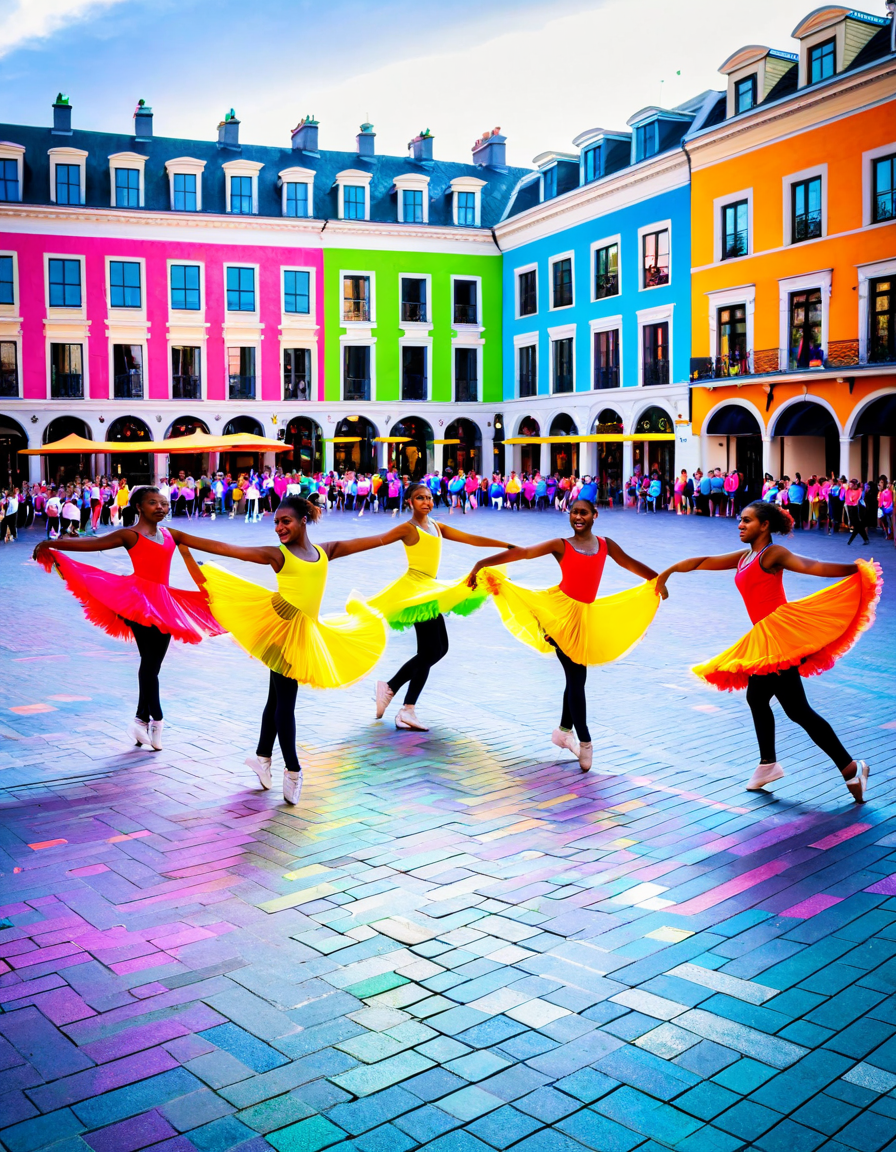
MoVing onto dance, the idea of cadence shifts nicely. Choreography weaves cadence into every step, creating a visual symphony. Take the Alvin Ailey American Dance Theater, for example. Their mesmerizing performances sync the dancers’ movements with musical cadences, stirring deep emotional connections. The dancers become storytellers, embodying the rhythm as their bodies flow seamlessly with the accompanying music.
Cadence continues to resonate on different levels, impacting various aspects of our lives. It’s a rich tapestry of expression and experience, capturing the essence of rhythm and movement wherever we find it.

Top 5 Ways Cadence Shapes Our Lives
Look at athletes like Usain Bolt; his running cadence encapsulates the perfect blend of stride frequency and length. This interplay creates a fluidity that maximizes speed. With cadence training apps like Garmin and Strava, modern runners can measure their rhythm, allowing them to hone their skills towards peak performance. Some might say it’s about finding your groove and making each stride count.
Artists like Billie Eilish are masters at manipulating cadence within their work. For instance, her song “Bad Guy” employs a captivating cadence that keeps listeners on the edge of their seats. Those unusual rhythmic patterns and vocal inflections certainly prove that cadence has the power to captivate audiences and remain lodged in our memories long after the final note.
Consider mindfulness practices, where returning to a focus on breath leads to the cadence of inhalation and exhalation. Research explains how this rhythmic focus boosts concentration and alleviates anxiety. In fact, studies published in the Journal of Psychological Science underline how integrating cadence into breathing techniques significantly enhances mental well-being.
The interplay of cadence also finds its way into the world of languages. Different tongues have their own rhythms; for example, the cadence in Spanish lends a sense of urgency, while the melodious nature of Mandarin creates a flowing narrative. These cadences help language learners grasp pronunciation and fluidity, making communication feel more natural.
The world of visual arts isn’t immune to the influence of cadence. Take Jackson Pollock’s iconic drip paintings, which capture rhythmic movements as he swirled and splatted paint across canvas. The dynamic energy of his brushstrokes invites viewers to experience and interpret the flow of motion, forcing an almost visceral connection with the artwork.
The Science Behind Cadence: Neurological Insights
Delving into the science of cadence uncovers intriguing neurological insights. Brain research reveals that rhythmic stimuli can influence cognition and emotions. For instance, studies show how engaging with rhythmic music stimulates the motor cortex, prompting spontaneous physical reactions. This connection hints at cadence’s potential in therapy, especially in fields like music therapy for stroke recovery, where rhythms help retrain the brain.
As neuroscience continues to explore cadence, therapists are finding innovative ways to harness its power. Imagine using rhythmic beats to stimulate memory recall in Alzheimer’s patients or helping children with ADHD enhance focus through musical timing. The possibilities are profound as we better understand how cadence affects not just our feelings but our capabilities.
Cadence in Modern Technology: The Rise of Rhythm-Based Applications
In our tech-driven world, cadence has found a new home in rhythm-based applications that enhance our daily lives. Platforms like Peloton and Zwift have taken workout experiences to the next level by integrating cadence metrics—offering users immediate feedback that direct their progress. This real-time data not only encourages improvement but fosters a sense of community among users striving for a common goal.
Meanwhile, sound-engineering software such as Ableton Live has redefined how musicians interact with cadence. Artists can experiment, manipulate, and explore new possibilities in rhythm, creating fresh sounds that challenge our musical paradigms. As technology continues to evolve, so does our relationship with cadence, pushing boundaries we never thought possible.
Embracing Cadence: An Innovative Future
Looking ahead, the evolving understanding of cadence suggests exciting future applications across various fields. Imagine virtual reality simulations designed to immerse users in rhythmic experiences, enhancing learning and creativity in areas like music, athletics, and therapy. This innovation could revolutionize how we approach training and artistic endeavors.
Additionally, artificial intelligence could play a role in redefining cadence in music composition. As algorithms grow ever more complex, we may soon witness entirely new forms of artistic expression—creating entirely different soundscapes that challenge our traditional understanding of rhythm.
In this exploration of cadence, we recognize a thread that runs through human experience, interlinking movement and sound in profound ways. The rhythm of life, embodied by cadence, transforms our performance, creativity, and emotional depth. By embracing this intricate dance, we foster stronger connections with ourselves and the world around us, paving the way for the future in both the arts and sciences. Ultimately, cadence is not just a concept; it’s a vital aspect of our shared human experience.
Cadence: The Rhythmic Art of Movement and Sound
The Beat of Life
Cadence is a rhythm unmistakably woven into countless aspects of our lives, from the way we walk to how we express ourselves through music. Did you know that the concept of cadence can be traced back to ancient times, where poets and musicians used it to create harmony? It’s fascinating to think that even iconic artworks like the Mona Lisa share a rhythmic quality in their composition! This rhythmic flow adds to our appreciation of art and enhances our experiences across various cultural touchpoints. Whether you’re swishing a basketball net on a game night or tapping your feet in time with a catchy tune, cadence plays a role in uniting us through movement and sound.
In Music and Dance
When it comes to music, cadence provides structure and resolves tension—just like the punchlines in the Bernie Mac Show, bringing laughter and satisfaction to viewers. In dance, the same concept makes each move feel purposeful and connected, allowing performers to groove seamlessly to the beat. Interestingly, the concept of cadence also finds its way into the realm of sports, where athletes exploit rhythm to optimize performance. Take a look at how your favorite artists or athletes leverage cadence; their success often hinges on this intricate balance, much like a well-crafted joke from Monique, whose timing is always spot-on.
Cadence Beyond the Obvious
In addition to its artistic implications, cadence carries a certain resonance in day-to-day life, influencing everything from speech patterns to walking strides. Ever heard of the term “lean” referring to the drink that’s part of hip-hop culture? Well, its flow perfectly aligns with cadence, bringing a groove to social situations. Similarly, if you think about characters like Tommy who navigate challenges using rhythm and timing, you’ll see how essential cadence is to storytelling. It’s also intriguing how cadence can stretch beyond sound, resonating in different scenarios, much like how an anal vibrator operates, creating pleasurable sensations through a rhythmic oscillation.
In summary, cadence is everywhere, influencing art, music, dance, and even our everyday interactions. Next time you find yourself humming a tune or moVing to a beat, remember, it’s the rhythm of cadence that connects us all.