
In the year 2026, dystopia has transitioned from the pages of literature to a lens through which we view our reality. As we grapple with pressing societal, technological, and psychological challenges, popular cultural narratives, like those found in the series “Euphoria,” help us understand these bleak possibilities. With immersive storytelling, these narratives lead us into a world that’s not just fiction but resonates with our anxieties about the future.
As we delve into the elements shaping our current dystopian reality, we explore how these aspects echo the cautionary tales of authors like George Orwell. The intersection of modern life with the aesthetics of dystopia calls not only for reflection but also for action. We are here, navigating through complexities that inform our lives, and it’s high time we examine these themes more closely.
Top 5 Dystopian Elements Shaping Our Current Reality
The rise of AI and surveillance technologies embodies a hallmark of our modern society. Companies like Palantir and Clearview AI exemplify the chilling reality of living under constant watch. As our privacy erodes, we feel the weight of Orwell’s “1984” bearing down on our daily lives. From smart devices tracking our every move to facial recognition in public spaces, the consequences of constant watchfulness take on a new life. The everyday grind feels like a voyeuristic game, much like the unsettling tension in the “Euphoria” cast’s emotional journeys.
The sharp rise in mental health issues today echoes the emotional turmoil prevalent in dystopian narratives. Characters like Rue Bennett in “Euphoria” grapple with addiction, trauma, and overwhelming societal pressure. As anxiety and depression rates soar—particularly among Gen Z—the lines between fiction and reality blur, casting a stark light on what it means to endure in tumultuous times. This crisis isn’t just a statistic; it’s a lived reality that resonates with many. The collective unease is a stark reminder of the societal pressures that grip us.
Climate change etches its way into our consciousness, reminding us that today’s extreme weather patterns are not isolated incidents but harbingers of a broken world. The wildfires in Australia and severe flooding in places like New Orleans signal an urgent call for change. These disasters are more than troubling news; they serve as warnings of a future turned upside down. They also inspire activism, spurring conversations that pulse through communities, each fight a small stand against the looming climate dystopia.
The widening wealth gap paints a disquieting picture of social stratification prevalent in modern dystopian narratives. The contrast between privilege and struggle, highlighted in “Euphoria,” showcases the stark disparities between different segments of society. Real-world protests advocating for racial and economic justice reflect this theme on a larger scale. These inequalities pose questions about our values and priorities as a society, inviting us to reconsider what unity might look like in our shared future.
Today’s world presents a curious paradox: the more we depend on technology, the more isolated we can feel. While apps boost convenience—tablets for communication, online dating platforms, and health management tools—there’s a palpable loss of genuine human connection. Apps like TikTok may make a splash, but they also raise concerns about our reliance on screens to form bonds. This overdependence might just turn dystopia into our new normal, inducing fears reminiscent of sci-fi novels where humanity lost its essence.
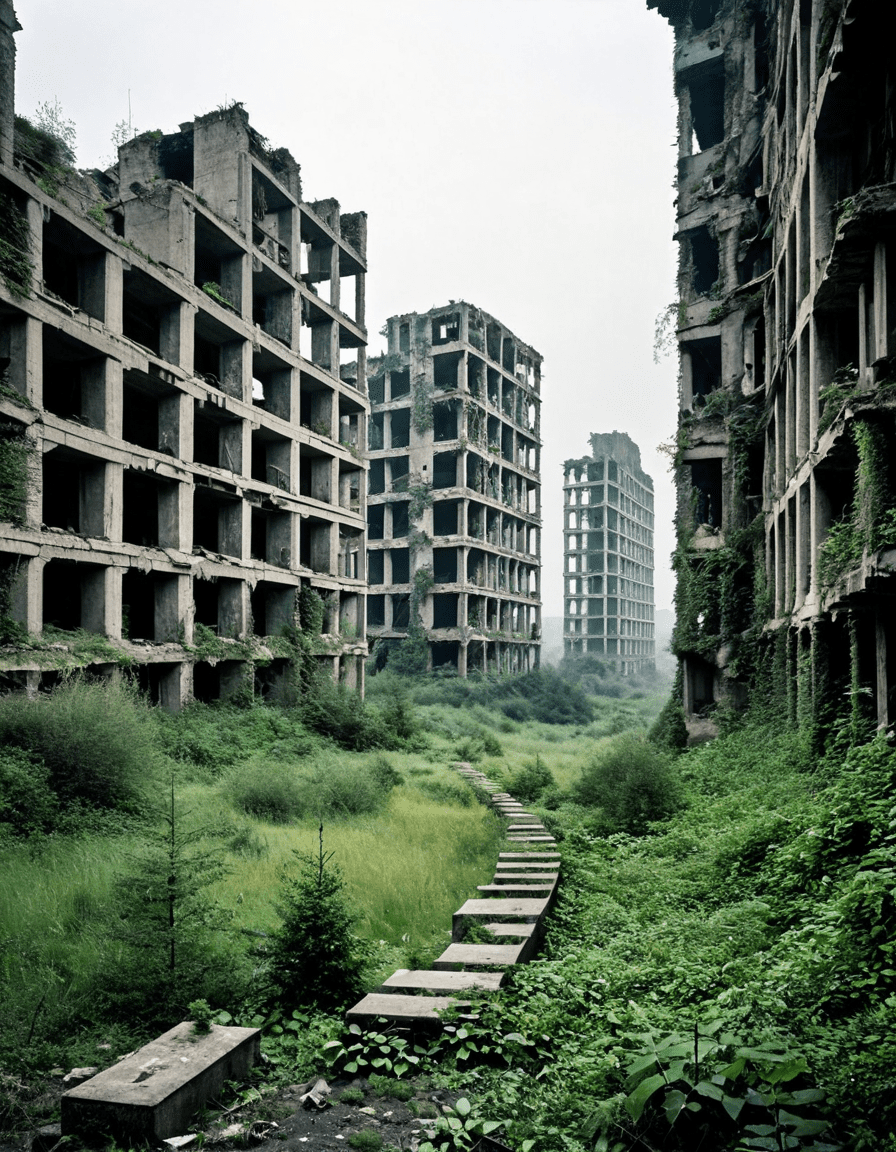
The Role of Media in Shaping Dystopian Perceptions
Media plays a pivotal role in shaping our understanding of dystopia. Shows like “Euphoria,” featuring characters like Rue Bennett, draw attention to the stark realities of addiction and mental health. With raw storytelling, these narratives create impactful emotional connections. They don’t just entertain; they reflect a broader societal struggle that invites empathy and deeper reflection. Such portrayals help us truly see the struggle beneath the surface.
Moreover, dystopian films such as “Children of Men” and series like “The Handmaid’s Tale” delve into the consequences of governmental overreach and loss of personal freedoms. These stories frame our current sociopolitical landscape, pushing us to think critically about equal rights and individual liberties. In exploring these issues, creators ignite discussions that compel viewers to re-evaluate their role within this exposed tapestry of human experiences.
Navigating Our Dystopian Reality
As we stand at this crossroads between fiction and our everyday lives, it’s crucial to recognize that elements of dystopia often exist alongside hope and resilience. Today’s movements for climate action, mental health advocacy, and social equality underscore the unwavering fight against grim narratives. Like the powerful collaboration in “Euphoria,” where individual stories build community strength, we too can come together to create change.
The sobering reflections of our cultural narratives remind us that dystopia can serve as a call to action. When we engage with these themes, we uncover opportunities to strive for a world that prioritizes equity, sustainability, and authentic connections. Rather than viewing dystopia as an inevitable outcome, it can catalyze crucial conversations about the future we want to create together—moving from darkness toward a more enlightened and hopeful tomorrow.
Embracing the idea that our direction can shift gives us room to envision a better world. So let’s rise to the occasion and transform the warnings of dystopia into steps toward a brighter future where the stories we tell ignite real conversations and real change.
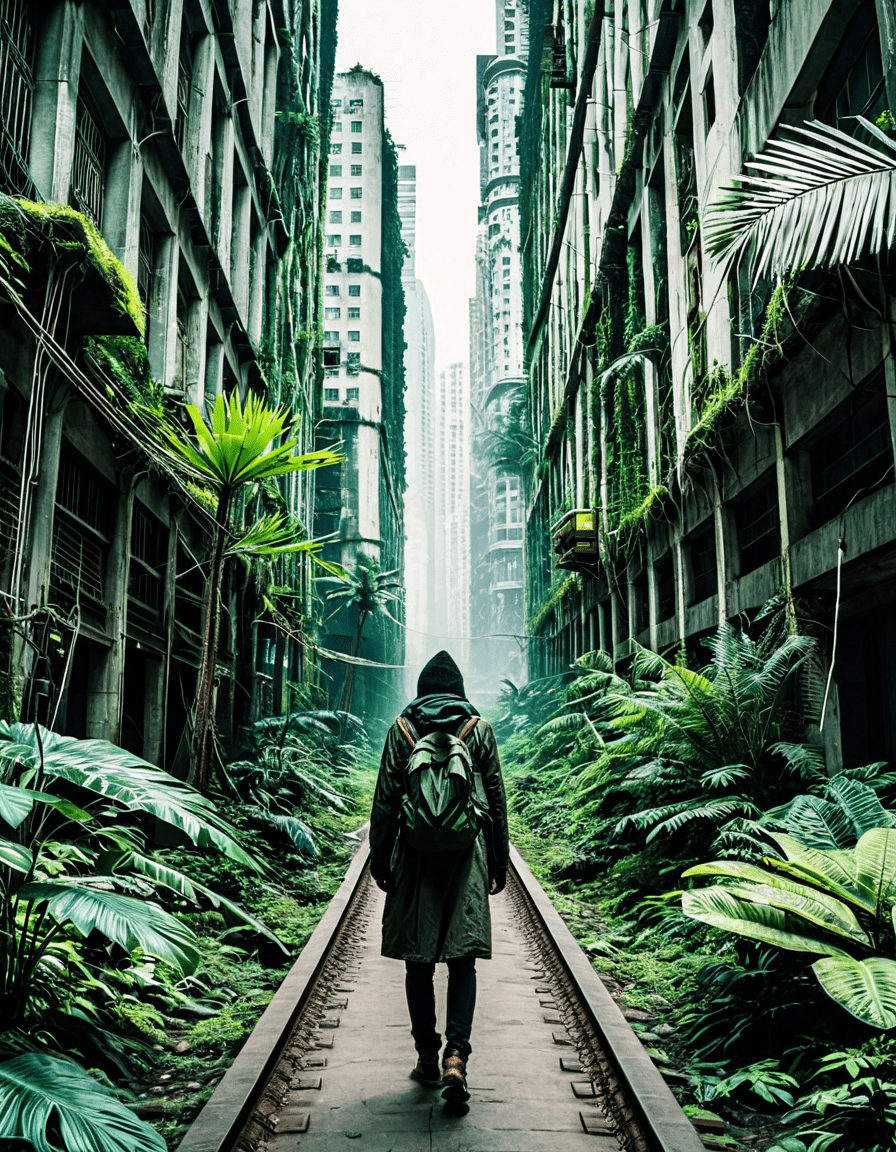
Dystopia: Humanity’s Darker Reflections
Fascinating Origins and Predictions
Dystopia, as a concept, has been around for quite some time, dating back to classic literature. The term itself was coined in the late 19th century, depicting an imagined future society characterized by suffering and oppression. Interestingly, the first known use of the word can be traced back to the famous book Looking Backward by Edward Bellamy. Imagine a future that feels like stepping into a scene from Step Up 2, where every answer seems to lead to more chaos and complexity. Speaking of complexity, have you ever thought about how many people get Bought Vs Brought confused in everyday language? It’s fascinating how certain words, much like dystopian themes, can lose their original meaning over time.
Culture’s Dark Mirror
Dystopian narratives often reflect societal anxieties, and you might be surprised at how they pop up in unexpected places—like kid-friendly films such as Christmas Chronicles. This flick merges holiday spirit with an underlying message of resilience—an essential trait one would need in a dystopian world. The themes explored in these stories often prompt us to ask tough questions about our contrasting ideals. Just as people had to navigate the treacherous paths of the Oregon Trail game, we too navigate the intricate social landscapes that can lead to a gloomy future if we aren’t careful.
The Entertainment Connection
Hollywood loves a good dystopian tale. Blockbusters not only entertain but also serve as cautionary tales that echo our fears. One wonders if Kenny Loggins ever envisioned his upbeat tunes as the backdrop for life in a dystopian future; instead, they might just remind us of the simple joys we risk losing. While enjoying a Rockies game, folks might chat about how our real-life struggles reflect the cinematic scenarios. The fiction of dystopia pushes us to reflect on societal values. Perhaps, as we witness events like the Justice department Sues Alabama, we grasp just how fragile our realities can be. The chilling prospect of a future without justice snaps us back to the importance of advocacy and vigilance in our lives.
In a world where natural disasters like Tropical Storm Joyce can devastate communities overnight, dystopian narratives compel us to consider our responses—and the stories we tell ourselves. So, as we navigate through the landscape of dystopian fiction, let’s remember that the seeds of change begin with our choices today.