
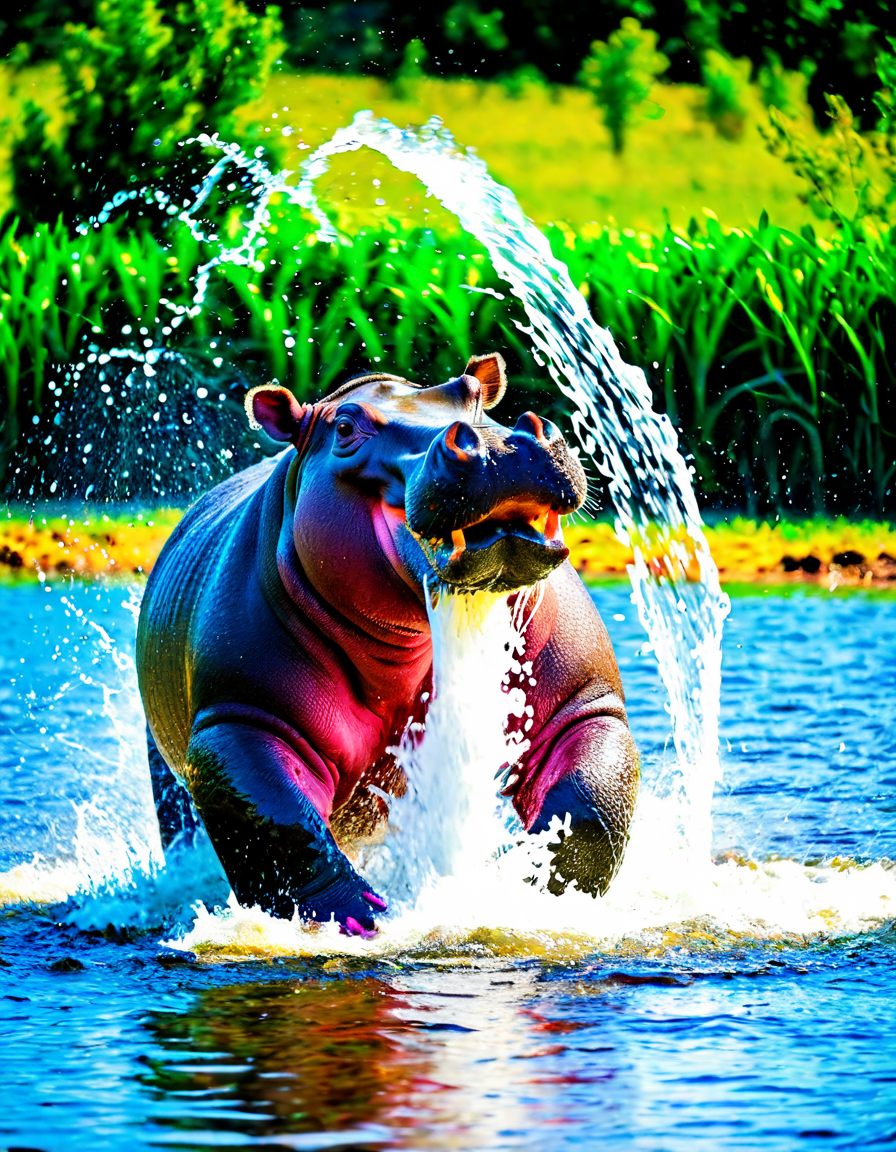
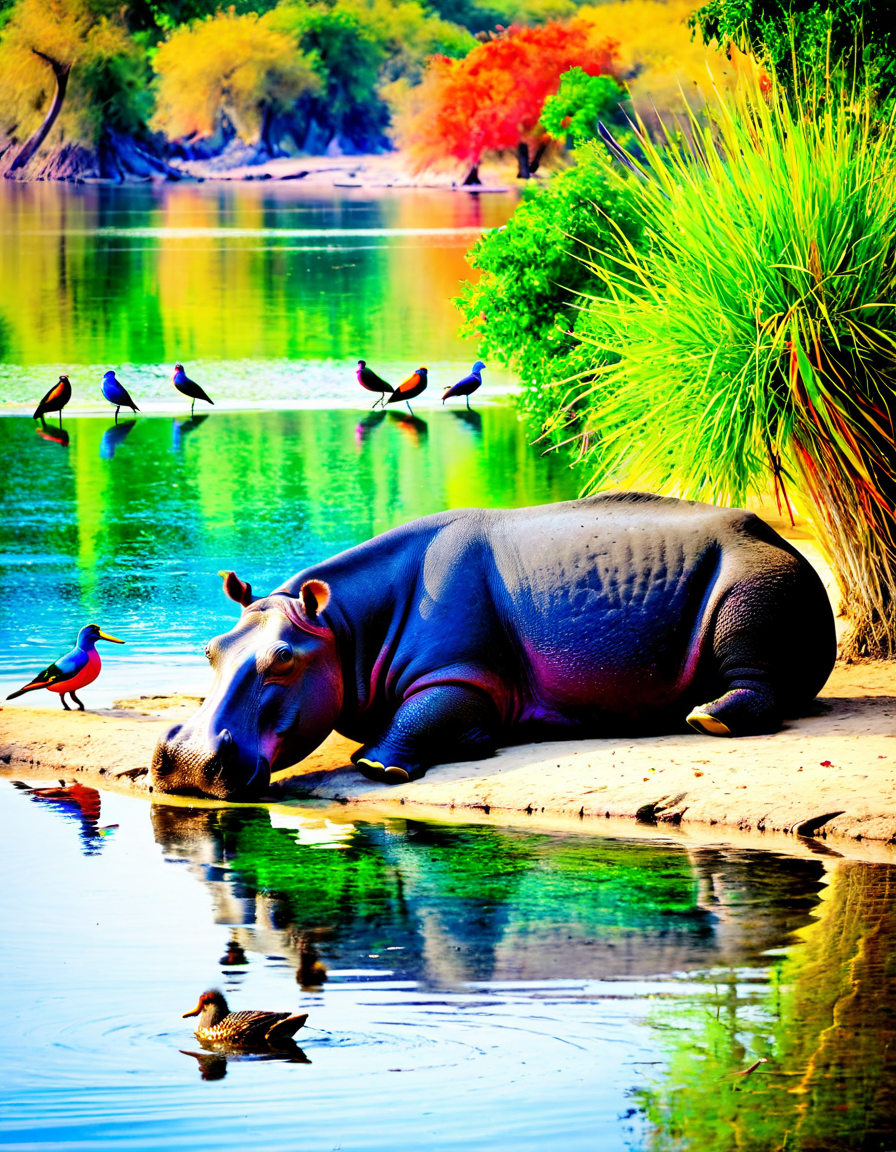
The hippopotamus, often overshadowed by lions or elephants, is truly a fascinating creature that deserves the spotlight. With its massive size and formidable presence, the hippopotamus commands respect as a majestic behemoth of the waterways. Whether you’re cruising through the stunning rivers of Africa or lounging by a luxurious lodge, the hippopotamus is a sight to behold. This article dives into the unique characteristics, behaviors, and cultural significance of this magnificent animal, offering a vibrant kaleidoscope of insights surrounding the hippopotamus.
Top 7 Fascinating Facts About the Hippopotamus
The Kaleidoscope of the Hippopotamus Habitat

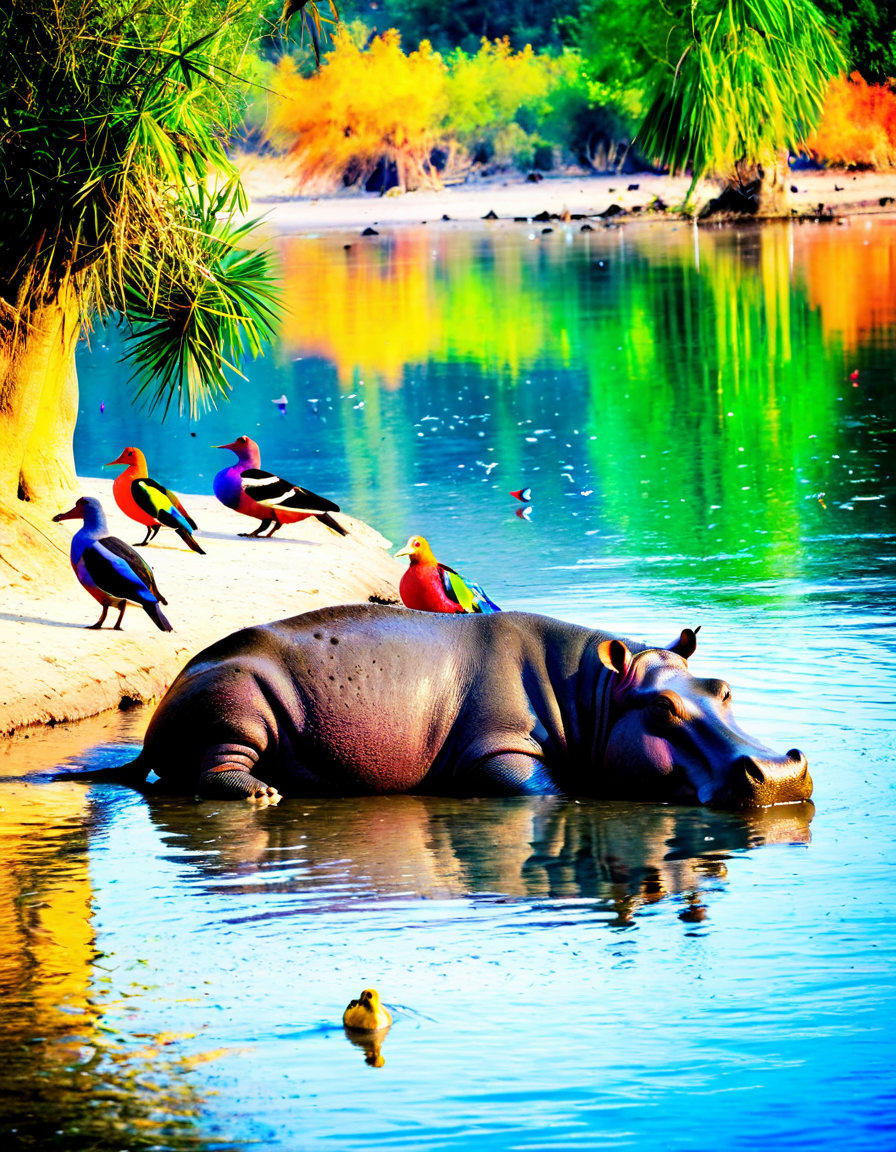
Hippopotamuses thrive in a kaleidoscope of ecosystems throughout sub-Saharan Africa. You can often find them lounging in rivers, lakes, and mangrove swamps. This unique habitat dynamic presents a fascinating interplay between their water-dominated environment and the grassy areas they graze on at night.
Their role in these ecosystems extends beyond just their presence. When hippos defecate while submerged, they release nutrients that fertilize surrounding vegetation and support diverse aquatic ecosystems. This vital function highlights that the hippopotamus isn’t just another animal; it is a keystone species essential for maintaining the health of its environment.
Addressing the Myths: Hippopotamus Behavior and Misconceptions
Hippopotamuses often get a bad rap, commonly seen as overly aggressive and territorial. While it’s true that they can pose a danger when protecting their young—something any parent can relate to—much of their behavior stems from natural instincts and survival needs. By understanding these behaviors, we can develop more effective conservation strategies that prioritize peaceful coexistence.
Education programs in African communities have been promising. They aim to foster safer interactions between humans and hippopotamuses, reducing conflicts and creating a live-and-let-live attitude that benefits both parties. It shows that with a little awareness and respect, we can share this beautiful planet with these majestic creatures.
Embracing the Future: Conservation and Coexistence Strategies
Looking ahead, it’s vital to implement conservation strategies that benefit both humans and hippopotamuses. One shining example is sustainable tourism in Tanzania and Zambia. These initiatives not only protect the hippo population but also help local communities economically. There’s something remarkable about a strategy that allows hippos to thrive while benefiting humans as well.
These strategies often involve a community-centric approach—engaging locals in education, habitat protection, and conservation efforts. It’s a win-win for everyone involved; allowing local populations to appreciate the value of maintaining hippos in their ecosystems fosters a deeper commitment to protection.
In conclusion, the hippopotamus is more than just a force in the waterways; it stands as a critical part of its ecosystem. By acknowledging its complexity through immersive exploration, we can inspire a deeper appreciation for this magnificent behemoth. Through knowledge and respect, we ensure that future generations can marvel at the beauty and strength of the hippopotamus. Let’s protect this incredible animal so that it may continue to thrive in its vibrant habitat for years to come.
As you embark on your travel adventures, consider planning a journey to witness the mighty hippopotamus in its natural habitat. Explore lush sub-Saharan landscapes where these creatures reign supreme, adding a touch of luxury to your travels. It’ll be an experience you’ll never forget, much like an unforgettable scene from a favorite film, like The Last Unicorn or the thrill of the Texas Chainsaw massacre—but instead of horror, you’ll find beauty and grace. Remember, just like Veruca from Veronica Mars once said about being spoiled, experiencing the majesty of the hippo is a luxury you’ll cherish.
Happy travels, and may the mighty hippopotamus always swim strong in the waterways!
Hippopotamus: The Mighty Behemoth of the Waterways
A Surprising Amphibious Marvel
Did you know that the hippopotamus actually spends most of its day submerged in water? This hefty beast can hold its breath for about five minutes while swimming, going underwater to stay cool and protect its skin from the sun! For comparison, consider how long some celebrities might hold their breath under pressure, like Volodymyr zelenskyy when navigating the political arena. That’s resilience! While lounging in the water, hippopotamuses can be pretty social, often gathering in groups of up to 30 individuals. These gatherings share similarities with Andre Agassis spirited tennis matches, where teamwork can make all the difference.
Incredibly Unique Features
Hippopotamuses are often underestimated for their strength. Believe it or not, their mighty jaws can crush bones! With a jaw pressure estimated at 1,800 pounds, they’re a force to be reckoned with, akin to the fierce competitors of the X names in various arenas. Just imagine a hippo chomping down on a heavy watermelon like it’s nothing at all! Plus, their outer skin is incredibly thick, up to 6 inches, which gives them a natural layer of protection against predators. Of course, not that many creatures dare challenge an angry hippo—they’re often referred to as one of the most dangerous animals in Africa!
Fun and Quirky Behaviors
When hippopotamuses aren’t lounging or munching, they engage in some odd behaviors. One of them is called “surface yawning,” where they open their massive mouths wide and display those impressive tusks. This could be their version of a Thursday funny meme, letting others know they mean business! Interestingly, they can even communicate while submerged by producing sounds that travel through water, sounding almost like a distant musical Roadie tuning an instrument. And just like catching the latest “Venom: The Last Dance” showtimes, spotting a hippo in the wild can be quite the event—experiences you’ll remember forever.
So, next time you think about the hippopotamus, remember there’s a lot more to them than meets the eye!