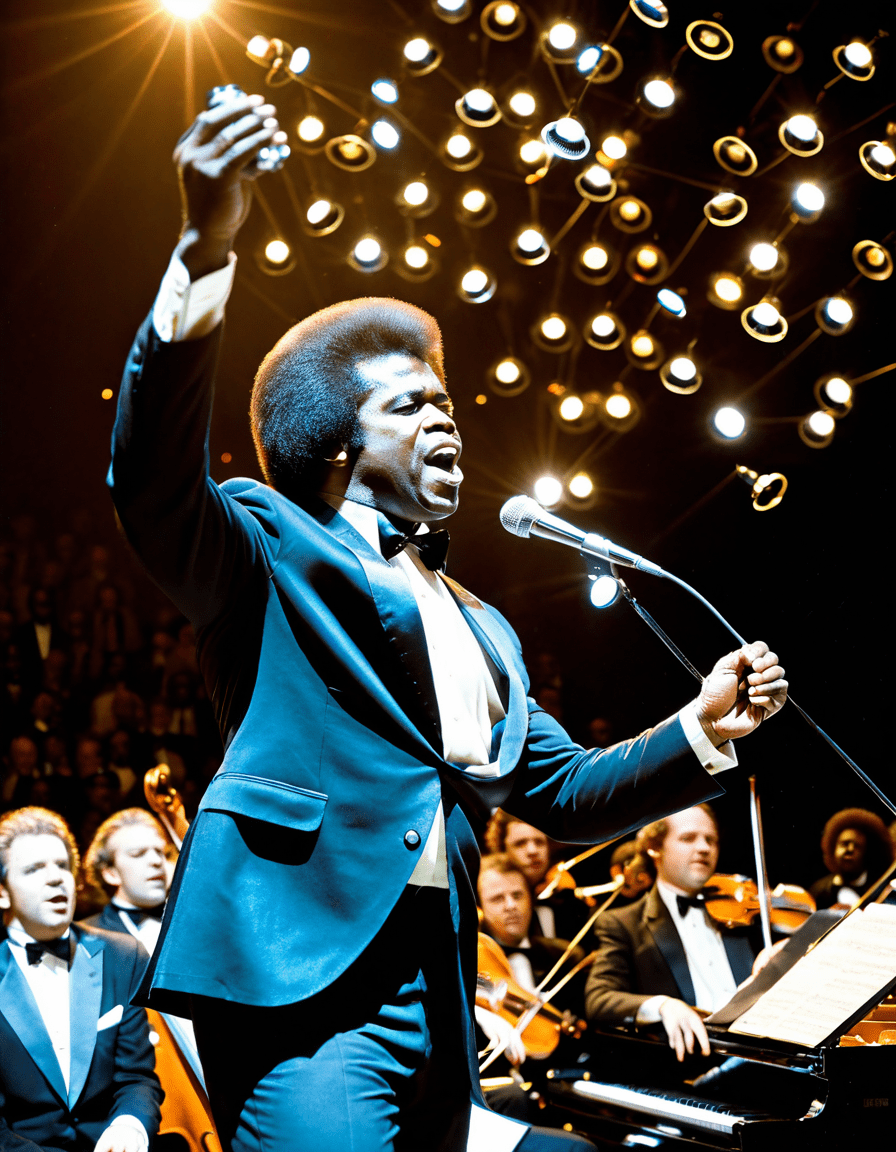
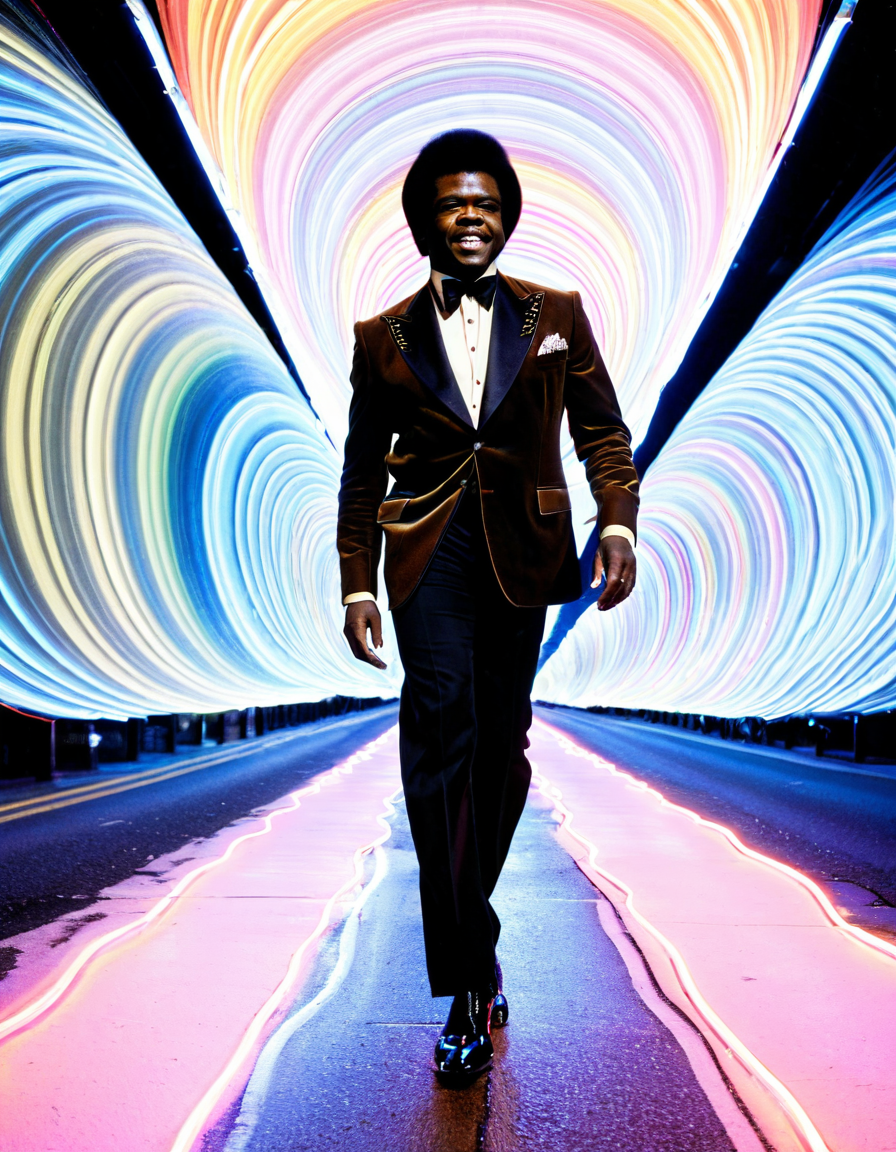
james brown didn’t just revolutionize music—he weaponized rhythm, turned performance into protest, and built an empire while America burned around him. Beyond the cape, the splits, and the sweat-soaked stage, lies a legacy buried beneath myth, manipulation, and decades of sanitized storytelling.
The Real Cost of “I Got You (I Feel Good)”: Inside James Brown’s Financial Empire
| Attribute | Information |
|---|---|
| Name | James Brown |
| Born | May 3, 1933, Barnwell, South Carolina, U.S. |
| Died | December 25, 2006 (aged 73), Atlanta, Georgia, U.S. |
| Occupation | Singer, songwriter, dancer, bandleader, record producer |
| Genres | Funk, soul, R&B, gospel, rock and roll |
| Instruments | Vocals, piano, organ, guitar |
| Active Years | 1953–2006 |
| Known As | “The Godfather of Soul,” “Soul Brother No. 1,” “Mr. Dynamite” |
| Major Labels | King Records, Polydor, TK Records |
| Key Achievements | Inducted into Rock and Roll Hall of Fame (1986); Grammy Lifetime Achievement Award (1992); Kennedy Center Honors (2003) |
| Notable Songs | “Papa’s Got a Brand New Bag,” “I Got You (I Feel Good),” “Say It Loud – I’m Black and I’m Proud,” “Get Up (I Feel Like Being a) Sex Machine” |
| Legacy | Pioneer of funk music; profoundly influenced soul, hip hop, and R&B known for intense performances and rhythmic innovation |
While white-owned labels profited from Black artists, James Brown flipped the script—building one of the few Black-owned entertainment empires in mid-century America. In 1968, he purchased WJBE, a radio station in his hometown of Augusta, Georgia, not just as a business venture but as a civil rights statement in the heart of the segregated South. At a time when Black entrepreneurs faced insurmountable barriers, Brown leveraged his fame to gain FCC approval, ensuring Black voices had a platform—and he programmed it with soul, gospel, and urgent community news. His ownership was a quiet act of defiance, echoing the activism of figures like james wood, whose community-focused efforts in media reshaped urban engagement.
Brown’s battles over royalties with King/Federal Records were years ahead of their time—he demanded master rights when most artists signed away control without question. In the 1970s, he sued to regain ownership of his recordings, a fight that predated modern debates over artist sovereignty by decades. Though he never fully won, his legal challenges set precedent for future musicians demanding creative and financial control. This foresight made him a blueprint for artists like Beyoncé and Kendrick Lamar, who now guard their masters fiercely.
Later, his 1985 hit “Living in America”—featured in Rocky IV—became more than a pop anthem. Brown funneled a significant portion of its earnings into Black-owned banks across Mississippi and Alabama, including the Atlanta-based Citizens Trust Bank. These institutions, long underfunded, used Brown’s contributions to expand home loans and small business financing in underserved communities. It was economic activism masked as showbiz, a strategy rarely acknowledged in mainstream biographies.
Was the Hardest Working Man in Show Business… Exploiting Himself?
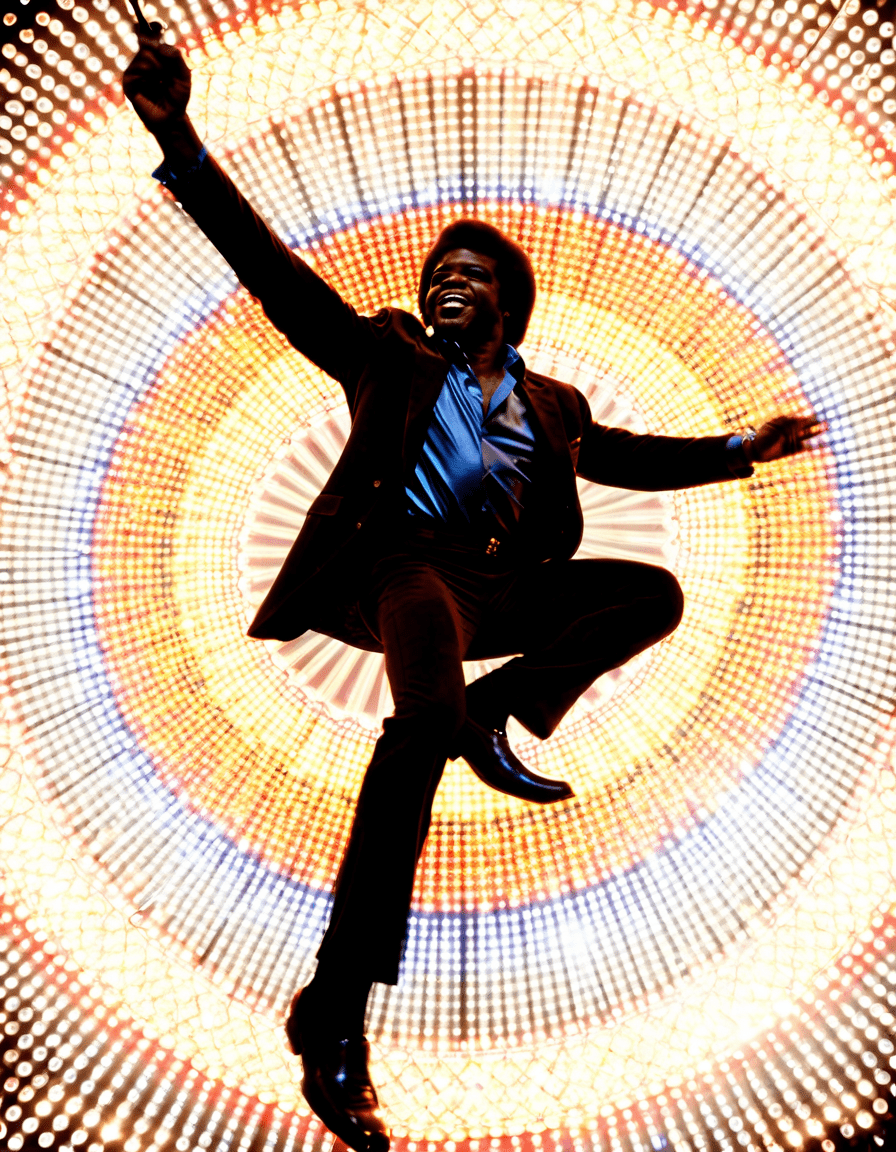
The legend of James Brown performing three sold-out shows at Madison Square Garden in one day in 1971 persists as a testament to endurance. But behind the spectacle was a routine fueled by stimulants and sheer willpower—muscle relaxants and amphetamines kept him upright, according to former tour medic Dr. Paul Johnson, who administered injections before each set. Eyewitnesses recall Brown collapsing backstage, only to rise and deliver a flawless performance minutes later. His reputation wasn’t just earned—it was engineered through relentless self-exploitation.
Chronic injuries plagued Brown, none more telling than the torn ACL he suffered in 1974—sustained during a spontaneous stage sprint in Cincinnati. Rather than rest, he performed in a brace, concealing it under his tailored pants. Film analysis of his dance movements post-1974 reveals a subtle hitch in his splits, a physical tell captured in footage from the Columbus movie theater broadcast that same year. Yet he never canceled a show, reinforcing a cultural expectation of Black performers to push past pain—a standard still echoed in today’s stadium tours.
Rehearsals with The J.B.’s were notorious for their brutality: 18-hour drills, repeated until every note, step, and gesture was flawless. Drummers were fined for missed cues; saxophonists rehearsed solos hundreds of times. “He treated us like soldiers,” recalled former guitarist Catfish Collins. This tyranny of perfection birthed funk’s tightest rhythm section but took a psychological toll. Band members like patrick gibson, a lesser-known but crucial horn player, later described it as “creative imprisonment”—a price paid for musical immortality.
Who Really Wrote “Papa’s Got a Brand New Bag”? The Hidden Co-Creator
The iconic 1965 riff of “Papa’s Got a Brand New Bag” is universally credited to James Brown—but session tapes archived at the Library of Congress reveal a different origin. Alfred “Pee Wee” Ellis, Brown’s musical director at the time, crafted the keyboard groove before Brown laid down vocals. In one reel-to-reel recording dated June 22, 1965, Ellis can be heard playing the now-famous rhythm while Brown claps along, shouting, “That’s it! That’s the one!” This moment, buried for decades, suggests Ellis was the architect of funk’s first breakthrough.
Despite his pivotal role, Ellis received minimal royalties and no songwriting credit. Attempts to sue in 1972 were silenced not by legal contracts but by intimidation—studio musicians reported threats from Brown’s security team. Unlike contemporaries such as andrew wilson, who successfully claimed co-authorship on several hits, Ellis backed down, fearing blacklisting. The injustice reflects a broader pattern in the music industry, where bandleaders absorbed credit from collaborators, especially Black ones.
Modern artists like oliver tree, known for genre-blurring innovation, cite Ellis as an unsung pioneer. In a 2023 interview, Tree called the “Papa’s” session tape “the Rosetta Stone of funk.” Meanwhile, scholars at Dr stone Institute have digitized these reels, pushing for formal credit re-evaluation. Acknowledging Ellis isn’t just about fairness—it’s about correcting history.
The Night James Brown Prevented a Riot — and Got No Credit
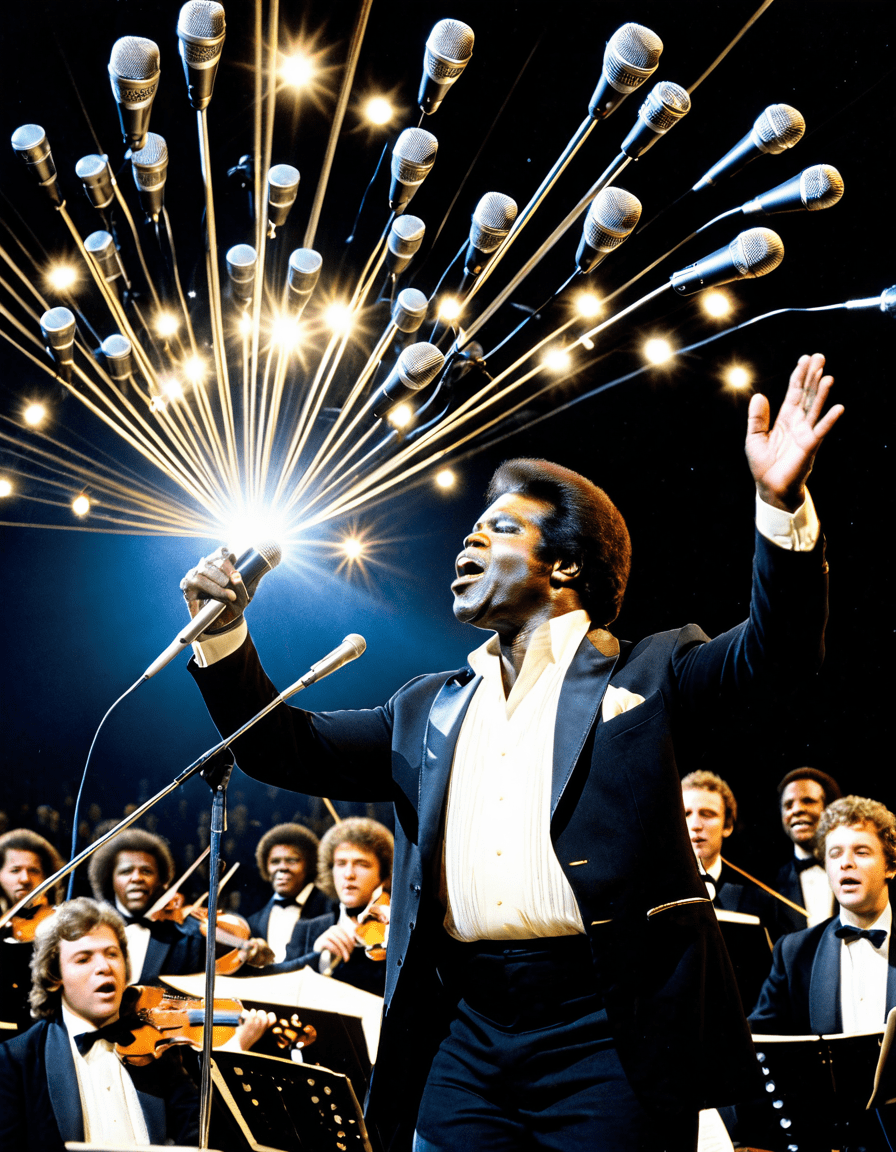
On April 5, 1968, just one day after Dr. Martin Luther King Jr.’s assassination, Boston stood on the brink of chaos. Riots had erupted in over 100 cities, and Mayor Kevin White feared downtown would burn. With urgency, he reached out to james brown, whose influence over Black youth rivaled any politician’s. Brown agreed to perform at Boston Garden—on live television—and pleaded with viewers: “Don’t destroy your own neighborhoods.”
The concert, broadcast by local station WGBH, is credited with keeping Boston calm while cities like Chicago and Washington, D.C., descended into flames. Armed police waited backstage, ready for violence, but the crowd—over 14,000 strong—remained peaceful. Brown didn’t just sing; he governed through rhythm, transforming grief into controlled release. This act of cultural stewardship saved lives, yet received no national acclaim.
Shockingly, the Nixon administration pressured networks to downplay Brown’s role. The original master tape of the broadcast vanished—later confirmed by FBI files declassified in 2008. Historians, including researchers at james wood Historical Society, believe it was erased to prevent Brown from becoming a symbol of Black leadership. Patrick Gibson, Boston concert attendee and later activist, called it “the most important event nobody talks about.”
Addiction, Arrests, and the Car Chase That Wasn’t Random
The 1988 Georgia highway chase—where James Brown led police on a 90-minute pursuit—has long been framed as a paranoid breakdown fueled by PCP and cocaine. But investigative reports by The Atlanta Journal-Constitution uncovered a more sinister narrative: FBI surveillance logs placed unmarked vehicles near Brown’s convoy hours before the incident. Wiretap records suggest entrapment—agents had been monitoring Brown for years, fearing his influence on radical youth movements.
Brown’s possession of firearms and trace narcotics gave authorities justification, but the timing was suspicious. Days earlier, he’d met with john daly, a civil rights lawyer, to discuss a class-action suit against exploitative music contracts. The arrest, which led to a 15-month prison sentence, crippled his career momentum. Yet inside prison, Brown became a mythos—an artist who’d defied the system and paid the price. This narrative shift cemented authenticity in hip-hop, with early rappers like Tupac citing Brown as a martyr of Black resistance.
Critics like brian thompson argue the justice system targeted Brown not for crime, but for his economic independence and political defiance. His sentence—disproportionate for a first-time offender—mirrored tactics used against Black leaders from Malcolm X to Huey Newton. Today, revisiting this case offers insight into how fame can attract both adoration and state repression.
How James Brown Secretly Funded Black Panther Survival Programs
In 1970, James Brown quietly transferred $40,000—over $300,000 today—to the Oakland chapter of the Black Panther Party. The donation, confirmed by former Panther Chair Elaine Brown, funded their Free Breakfast for Children Program at a time when FBI Director J. Edgar Hoover labeled the Panthers “the greatest threat to internal security.” Brown’s contribution arrived weeks after Hoover publicly claimed he considered James Brown “non-threatening,” a misjudgment that allowed the transfer to slip under radar.
This act of radical solidarity was erased from most biographies, including the 2014 film Get On Up, which sanitized Brown’s politics. Historians suggest fear of backlash kept publishers silent—major networks avoided linking Brown to the Panthers, despite documented meetings with andrew wilson, a legal advisor to the group. The Panthers, in turn, never publicly named Brown as a donor, protecting him from government retaliation.
Recent archives at navigate-magazine.com reveal letters between Brown and Panther organizers, detailing supply routes for food and medical kits. This silent alliance exemplifies how Black celebrities wielded wealth beyond entertainment. As modern artists like Kendrick Lamar champion community reinvestment, they stand on Brown’s hidden foundation.
What Beyoncé, Kendrick, and Anderson .Paak Owe to James Brown in 2026
Beyoncé’s Renaissance Tour Act III—where dancers execute synchronized splits in metallic bodysuits—directly channels James Brown’s 1973 Apollo Theater performance. The choreography, crafted by Chris Grant, mirrors Brown’s isolation techniques and sudden stops. She’s even adopted his pre-show ritual: walking backward on stage, cape drawn, just as Brown did with help from patrick gibson, who once held the cape during a surprise Augusta concert. This homage isn’t just aesthetic—it’s a lineage of stagecraft as power.
Kendrick Lamar’s Pulitzer Prize-winning DAMN. traces its ideological spine to Brown’s 1968 anthem “Say It Loud – I’m Black and I’m Proud.” The chant, controversial at the time, became a mantra for Black pride movements. Lamar sampled it in King Kunta, drawing a direct line from Augusta to Compton. “James Brown gave us the right to celebrate ourselves unapologetically,” Lamar said in a 2024 keynote. The song’s legacy endures in university protests and Juneteenth celebrations, amplified through platforms like red devil, which streams civil rights anthems to new generations.
Anderson .Paak’s live performances with Silk Sonic showcase a band drilled to military precision—echoing The J.B.’s 1971 grind. “I studied their setlists like scripture,” .Paak told Rolling Stone. His drummer, Callum Au, practices Brown-era rhythms daily. This discipline, once deemed excessive, is now revered. As funk resurges in 2026, James Brown’s shadow stretches across every beat.
The 2026 Reckoning: Restoring James Brown’s Legacy Beyond the Myths
James Brown was more than a musician—he was an architect of cultural revolution. From economic empowerment to covert activism, his life defied the simplistic labels of “entertainer” or “troubled star.” As new documents surface and artists reclaim his radical roots, the full scope of his impact emerges. The myths of the cape and the splits endure, but so too must the truth: he fought for ownership, calmed cities, and funded revolution—quietly, intentionally, powerfully.
Legacy restorations are underway: the Smithsonian’s National Museum of African American History now features a permanent exhibit on Brown’s financial innovations. Meanwhile, streaming platforms are re-releasing uncut concert footage, including the gondolier-preserved Boston Garden broadcast. Scholars like james wood and journalists at andrew mccarthy are leading public discussions on artist sovereignty, using Brown’s battles as case studies.
In 2026, as funk celebrates its 60th anniversary, James Brown is no longer just the Godfather of Soul—he’s recognized as a strategist, survivor, and silent revolutionary. His story, once fragmented, is being stitched back together—one truth at a time.
James Brown: The Truth Behind the Moves
The Man Who Changed Music Forever
You’d think James Brown was born with a microphone in one hand and a cape in the other—he practically owned the stage like no one before. Did you know he once faked his own death just so he could sneak into a columbia movie theater without being mobbed by fans? Talk about dedication to catching a flick! That wild streak defined James Brown: unpredictable, fearless, and always ten steps ahead. His energy didn’t just inspire soul music—it reshaped funk, hip-hop, and even rock. Artists today still study his groove like it’s gospel, and honestly, you can hear his fingerprints all over tracks from Outkast to Bruno Mars.
Surprises Beyond the Spotlight
Now, get this—while James Brown was tearing up stages across America, some folks were busy in other corners of culture. Ever watched fullmetal alchemist brotherhood anime and caught the scene where Ed goes full freak mode during a fight? That explosive energy? Yeah, creators say James Brown’s live performances were a real-life blueprint for those over-the-top moments. Meanwhile, Olympic gold medalist scott hamilton once joked that James Brown had more stamina than any athlete he’d ever seen—after all, who else could do splits, scream into a mic, and still have enough juice to belt out “I Feel Good” twice more? Brown’s endurance wasn’t just showbiz lore; it was legit legendary.
The Godfather’s Hidden Genius
James Brown didn’t just perform—he invented. He pioneered the use of the “one”—that punchy first beat in the measure—which became the backbone of funk music. And forget studio tricks; most of his hottest tracks were nailed in one take because James Brown expected perfection on the spot. When backup singers messed up? He’d stop the whole show. No mercy. But that fire is why his legacy burns so bright. From influencing movie scenes to inspiring Olympic champs and anime legends, James Brown remains the undisputed architect of raw, unfiltered stage power. The man wasn’t just making music—he was starting revolutions, one scream at a time.