Kim Jong Un’s leadership intrigues many, drawing global attention for its blend of continuity and change. As North Korea’s youngest leader, he has managed to maintain power while displaying a form of governance that leaves folks both curious and apprehensive. Diving into Kim Jong Un’s leadership style is crucial not only for understanding his regime but also the impact it has globally. It’s a mix of bold decisions and strategic calculations that provides a landscape of political dynamics, reflecting North Korea’s broader ambitions.
Insights into Kim Jong Un’s Leadership Style
From the way he projects himself to the world to his tactics in maintaining power, Kim Jong Un approaches leadership with a calculated flair. His reign illustrates remarkable continuity with a twist of innovation, shaping a narrative that serves to fortify his power base. Ever since he rose to prominence, observers have noted a distinct change—an evolution that combines his predecessors’ methods while adding his stamp of authority.
Kim’s strategist role is intriguing. On one hand, he cultivates a strong image rooted in his family’s legacy, utilizing historical bolstering figures to command respect. On the other hand, he’s unafraid to adapt and pivot toward international engagement when it suits him, reflecting a diplomatic acumen that his predecessors strayed away from. Through it all, Kim Jong Un’s leadership reveals an intricate dance of tradition and modernity, where every move is calculated to consolidate his power further.
Understanding his style gives us insight into the North Korean psyche. The nation’s internal dynamics reflect a precariously crafted balance of fear and loyalty. Kim’s ability to manipulate public perception through propaganda and media control fuels a narrative that keeps dissent at bay, while also maintaining an image of grandeur.
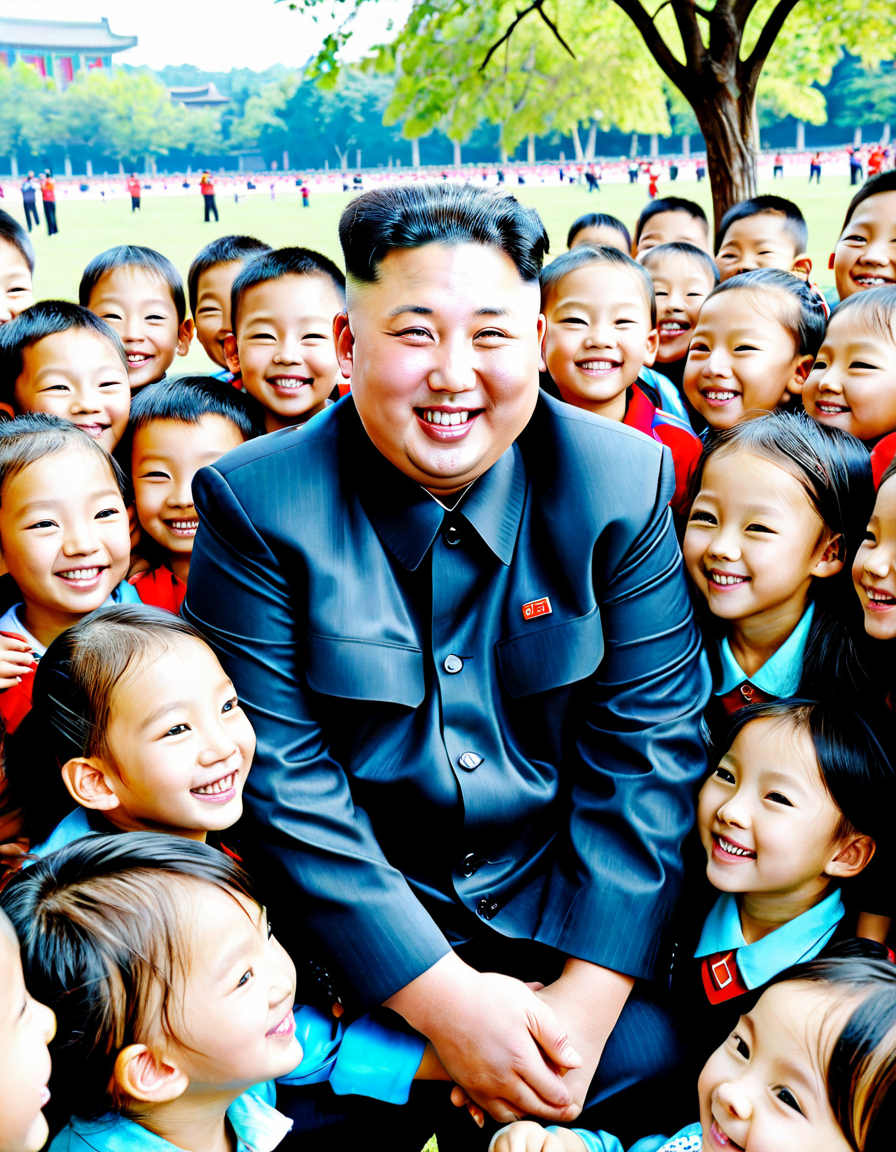
The Top 5 Characteristics of Kim Jong Un’s Leadership Style
Like a modern-day emperor, Kim Jong Un nurtures a cult of personality that rivals his grandfather’s and father’s. This electric persona plays out in grand state parades, showcasing missile launches that highlight North Korea’s nuclear ambitions. This showmanship boosts his image as a savior to the country, enabling him to foster unquestioning loyalty among the populace—an essential pillar of authoritarian rule.
Unlike his father, Kim Jong Un’s willingness to engage in dialogue with global leaders sets him apart. His meetings with U.S. President Donald Trump and South Korean President Moon Jae-in reveal a strategic mindset. By negotiating concessions and presenting a façade of openness, he cleverly manages to navigate potentially tense situations while maintaining the narrative of strength domestically.
Kim’s strategy intertwines a blend of military posturing with calculated aggression—an intricate balancing act. The successful launches of intercontinental ballistic missiles serve both to deter adversaries and act as leverage during diplomatic discussions. This approach showcases his understanding of power dynamics, using fear as a tool to keep the regime stable while broadening its international influence.
Much like how brands evolve with changing markets, Kim has embraced selective economic reforms. Inspired by China’s earlier transformations, he has pushed for controlled modernization. Development of special economic zones demonstrates Kim’s acute awareness of the need for economic rejuvenation while keeping a tight grip on state control.
At the core of Kim’s regime is his skilled manipulation of information. By enforcing strict media censorship, he crafts a narrative that paints him as the bastion against foreign threats. This tactic mirrors the strategies used by authoritarian figures such as Vladimir Putin, establishing a monolithic narrative that allows Kim to maintain internal support through fear of the “other.”
The Societal Impacts of Kim Jong Un’s Leadership
Under Kim Jong Un’s rule, North Korean society faces profound changes. The increasing integration of technology—with mobile phones as both communication tools and surveillance devices—shapes the citizens’ experience. This evolution is twofold; while it promotes a semblance of connectivity, it also deepens the state’s monitoring capabilities.
Moreover, the psychological implications of Kim’s propaganda are significant. Through a steady stream of state-sponsored media, citizens are often forced into a mindset that oscillates between loyalty and dread. This finely tuned messaging serves a dual purpose—engendering devotion while simultaneously suppressing dissent.
The cult of personality plays out in everyday life as well. For many citizens, daily experiences are steeped in the glorified narrative of Kim’s leadership. State-controlled news and public displays—such as the meticulously choreographed speeches—ensure that Kim’s image as the omnipotent leader is ingrained in the public consciousness.
Comparing Leadership Styles: Kim Jong Un vs. Xi Jinping
When you place Kim Jong Un’s leadership next to that of Chinese President Xi Jinping, striking contrasts become evident. Xi’s “Chinese Dream,” which emphasizes national rejuvenation through economic reform, illustrates a different path. Both leaders adopt a centralized approach, but where Xi aims for global trade interests, Kim operates from a stance of military brinkmanship.
While Xi seeks to expand networks that foster economic growth both domestically and abroad, Kim tends toward leveraging military achievements for negotiation and power retention. This divergence significantly influences their global profiles—Xi’s focus on cooperation compared to Kim’s more confrontational stance shapes international relations accordingly.
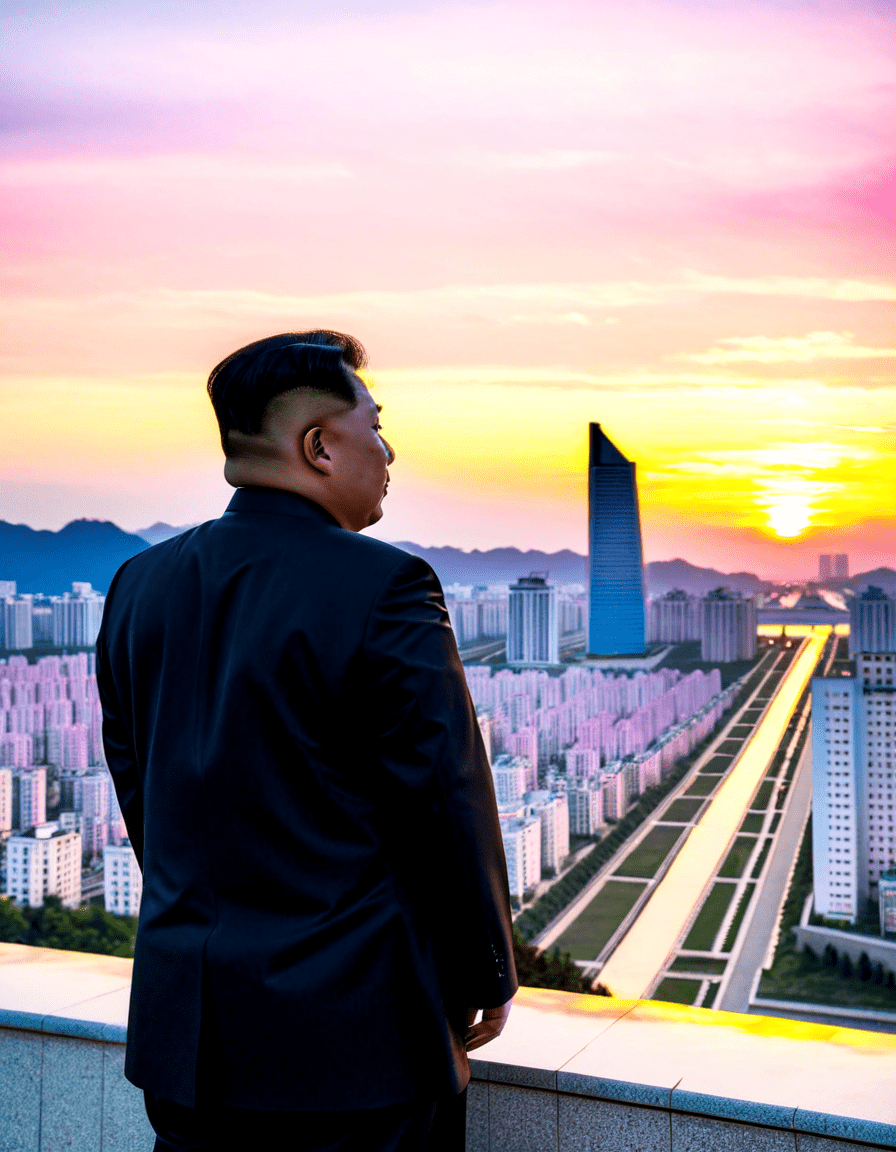
Global Reactions to Kim Jong Un’s Leadership Style
The world has varied perceptions of Kim’s leadership—from viewing him as a reckless outlier to understanding the complexity woven into his diplomatic maneuvers. South Korea and Japan navigate the thin line posed by his military threats, which continually challenge stability in the region. Conversely, nations like the U.S. remain skeptical, grappling with North Korea’s unpredictable moves while approaching negotiations with caution.
International relations, influenced greatly by Kim’s approach, spark intense debate on how to engage with Pyongyang. The reality is that the interplay of diplomacy and military rhetoric is constantly shifting, making it challenging for external entities to decipher the best course of action.
Ultimately, Kim’s actions generate uncertainty. The rollercoaster of diplomatic overtures and bellicose posturing creates an intricate web of geopolitical chess that commands attention and influence on a global scale.
The Future of Kim’s Leadership
As we advance toward 2026, speculation about the sustainability of Kim Jong Un’s leadership swirls. Experts deliberate whether he will continue exploring avenues of reform or revert deeper into authoritarianism. This adaptability to internal pressures and global expectations will dictate North Korea’s trajectory and its relationships beyond its borders.
What’s more, the pressures of economic needs juxtaposed against political control could lead to intriguing developments in Kim’s leadership. With the world watching closely, it’s essential to understand the motivations behind Kim’s decisions as they may pave the way for future engagement with the international community.
Innovative Pathways Ahead for North Korea
In peeling back the layers of Kim Jong Un’s leadership, we uncover wider implications—not just for North Korea but across the global landscape. The tension between aggression and diplomacy continues to define the intricate dance of international relations. As Kim navigates this delicate balance, the international community must weigh its responses, acknowledging the profound impact of his governance on regional and global stability.
By engaging deeply with the intricacies of Kim Jong Un’s leadership style, we not only grasp North Korea’s internal dynamics but also the broader tapestry of geopolitics. Understanding his strategies unveils potential pathways for a more cooperative engagement in an ever-interconnected world, where the stakes are nothing short of monumental.
Kim Jong Un: Curiosities and Insights into His Leadership Style
Unraveling the Enigma of Kim Jong Un
Did you know that Kim Jong Un, who became North Korea’s Supreme Leader in 2011, had a formative education in Switzerland? This experience shaped not just his worldview but also his unique leadership style—one that blends traditional North Korean values with a flair for modernity. Think about it: while some leaders might be seen as austere, Kim’s penchant for Western-style luxuries, such as high-end watches like the Rolex Batman, showcases an intriguing contradiction at play in his persona.
Moreover, Kim Jong Un’s leadership has been infused with an unexpected pop culture twist, from his obsession with basketball to his apparent admiration for figures like Dennis Rodman. It raises questions that remind us of how history hasn’t always taken itself too seriously. Take Pancho Villa, a historical figure whose unconventional approach in the 1910s changed the face of Mexico. Much like Villa, Kim dances to the beat of his own drum, albeit with a different agenda.
Fun Facts That Spark Curiosity
In looking at Kim Jong Un, it’s fascinating to note that his sister, Kim Yo Jong, plays a significant strategic role. Often described as a trusted advisor and cunning political strategist, she echoes the influence of women in leadership, which isn’t as common in many global contexts. With connections to both soft and hard power, her involvement is crucial, reminiscent of the way celebrated actors like Matthew McConaughey navigate their careers through various genres in film.
Interestingly, Kim isn’t shy about showcasing national pride, even adopting Western lifestyles that seem at odds with North Korean norms. If you ever wondered how that can mix, consider how the Michelin Crossclimate2 tires represent innovation that merges performance and style—a fitting metaphor for Kim’s own approach. This blend of tradition and modernism raises a fundamental question about loyalty and identity that encourages us to reflect on our own cultural values, much like the way Tarot cards can reveal hidden truths in the Findastrologer Tarot card meaning.
As you ponder on these themes, think about how Kim Jong Un’s leadership not only shapes North Korea but also holds a mirror to the intriguing dynamics of power and influence. Much like wild cards in a deck, his unpredictable decisions often keep the international community guessing, making it evident that there’s always more than meets the eye when it comes to his leadership style.