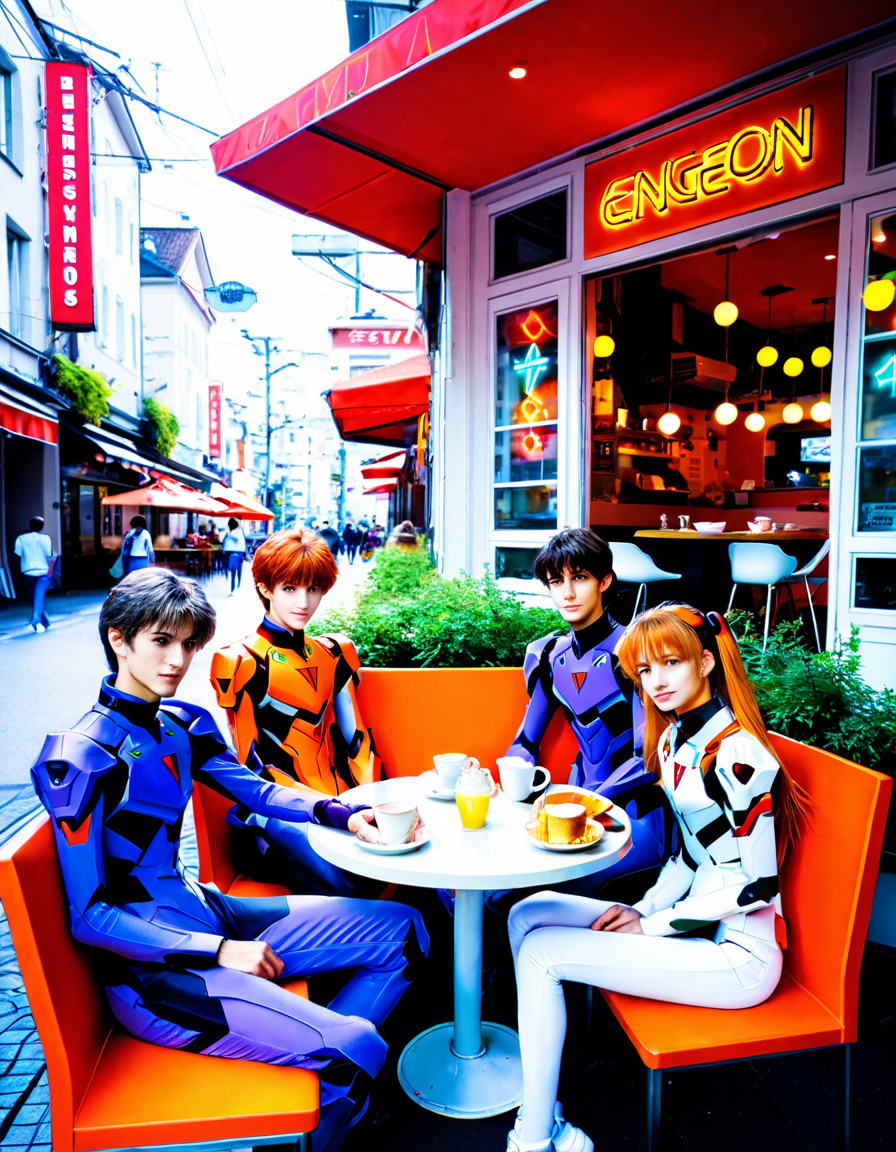
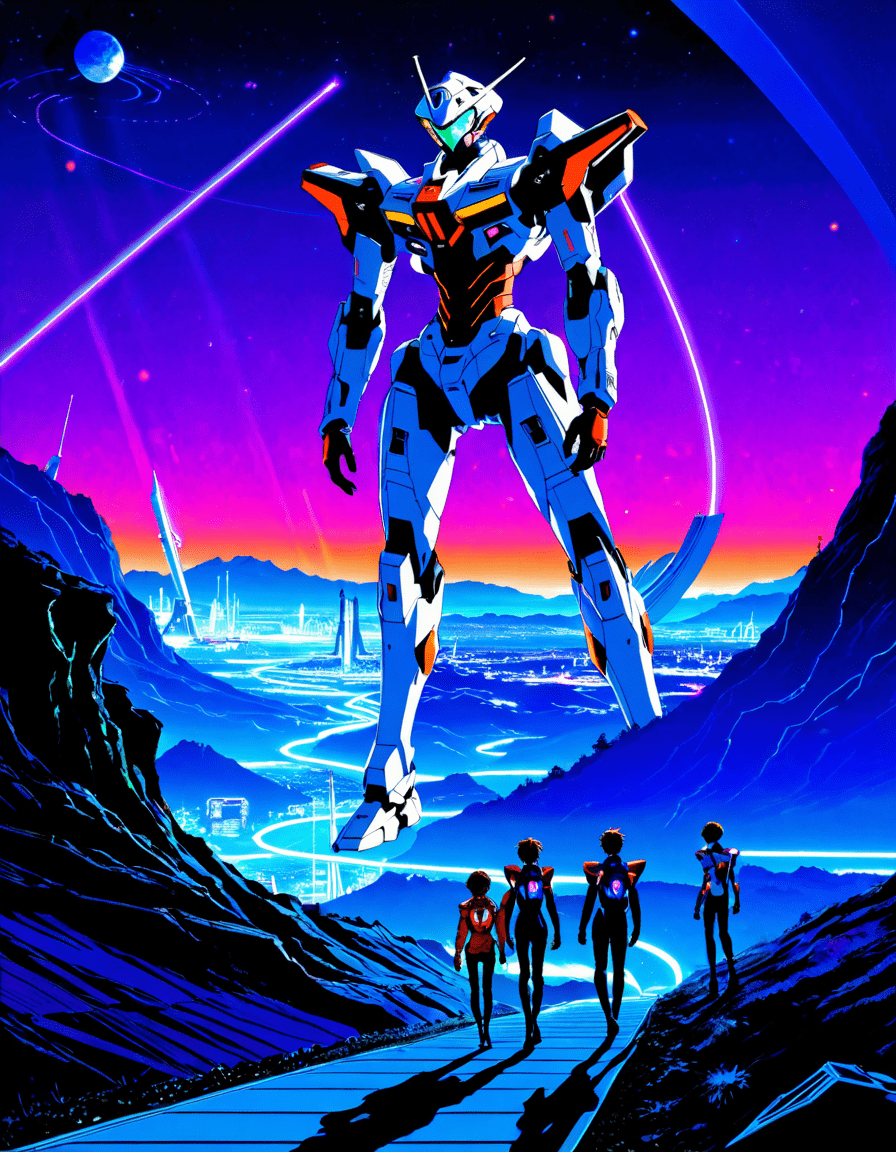
When discussing Neon Genesis Evangelion, it’s hard to overstate its impact on anime and broader popular culture. This landmark series, directed by Hideaki Anno and produced by Gainax, revolutionized mecha design and refined how we view both machines and the characters who pilot them. The Evangelions—especially the iconic Unit 01—aren’t just machines; they’re emotional vessels that mirror the internal struggles faced by the series’ characters. So, let’s dive in and explore the world of Neon Genesis Evangelion, where every mech tells a story and every character grapples with their humanity.
The Legacy of Neon Genesis Evangelion’s Mecha Design
Neon Genesis Evangelion leaves a lasting legacy through its innovative mecha designs that have influenced a generation of viewers and creators alike. The Evangelions are unlike any other giant robots seen before; they embody human emotions, vulnerabilities, and conflicts. For instance, EVA Unit 01, with its striking purple and green color scheme, stands not just as a machine but as a representation of protagonist Shinji Ikari’s turbulent psyche. Each EVA, from the hauntingly mysterious Rei Ayanami’s Unit 00 to the formidable Unit 02 piloted by Asuka Langley Soryu, serves as a physical manifestation of the characters’ struggles and fears.
The mechas in Neon Genesis Evangelion aren’t mere props; they become pivotal in conveying the show’s most profound themes. The intricate designs amplify the psychological conflicts faced by each character, bridging the gap between machinery and emotional depth. The show advances the idea that mecha isn’t just about fighting; it’s about grappling with one’s own identity, a theme that resonates with viewers on a personal level.
Moreover, the design philosophy encourages discussions about duality—how the machines reflect both the strength and fragility inherent to humanity. These depictions prompt viewers to consider the nature of existence and what it means to be human, adding complexity to the narrative that few other anime have matched.
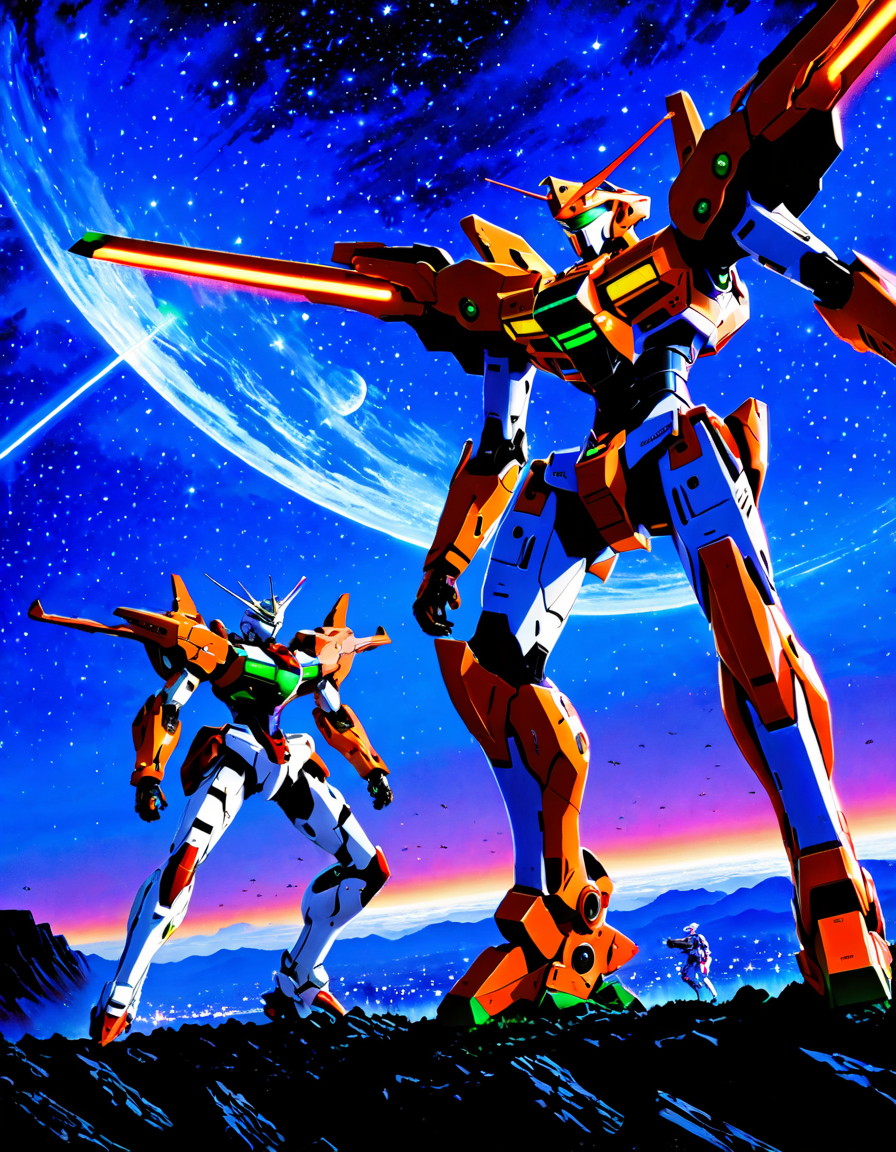
Comparing Iconic Mecha: Neon Genesis Evangelion vs. Teenage Mutant Ninja Turtles
To illustrate the contrast in storytelling between Neon Genesis Evangelion and something as lighthearted as the Teenage Mutant Ninja Turtles (TMNT), let’s take a closer look. While TMNT’s vehicles, such as the Party Wagon, emphasize teamwork and camaraderie, the EVAs delve into isolation, existential dread, and the weighty responsibilities of their pilots.
In essence, comparing these two vastly different portrayals of mecha and characters reveals how storytelling can take divergent paths. While Neon Genesis Evangelion strives for introspective depth, TMNT provides viewers with a light-hearted sense of adventure, demonstrating the range and versatility within the genre.
Character Analysis: The Depth of Human Emotion in Neon Genesis Evangelion
At the heart of Neon Genesis Evangelion lies its beautifully crafted characters. Each figure—from Shinji Ikari to Rei Ayanami—represents distinct human experiences and psychological struggles while embodying the essence of adolescent turmoil.
This exploration of characters adds an emotional weight to Neon Genesis Evangelion that resonates with audiences globally, inspiring dialogues around mental health, adolescence, and the quest for understanding one’s self.

The Cultural Impact of Neon Genesis Evangelion
Since its debut in the 1990s, Neon Genesis Evangelion reshaped the cultural landscape, sparking conversations about mental health, existential philosophy, and the complexities of human connection. Its reach extends far beyond anime, influencing a variety of media and entertainment formats.
Moreover, the embrace of Neon Genesis Evangelion in various facets of modern culture—like stylish clothing and collectibles—speaks volumes about its impact, showing fans how themes of vulnerability and identity can manifest in everyday life.
The Enduring Relevance: Where Neon Genesis Evangelion Stands Today
Fast forward to 2026, and Neon Genesis Evangelion retains a special place in the hearts of both new and old fans. With streaming platforms providing easy access, this series has piqued the interest of a younger generation eager for narratives that explore deeper emotional truths.
The discussions around mental health that the series initiated have gained renewed importance today. As society grapples with increasing levels of anxiety and existential questioning, the relevance of Neon Genesis Evangelion’s themes has only grown. Enjoying such a rich tapestry of character-driven storytelling enables audiences to reflect on their own lives, making the series a powerful tool for empathy and understanding.
A Reflection on Humanity through Mecha
Neon Genesis Evangelion stands as a cornerstone of the anime genre, challenging conventional storytelling through its innovative approach. The mecha aren’t simply machines; they serve as extensions of characters’ psyches and reflections of their deepest fears and aspirations. As we traverse our own lives—filled with uncertainty and questions—we can draw wisdom from the emotional narratives of Neon Genesis Evangelion.
Hideaki Anno’s masterpiece inspires a vibrant dialogue about the complexities of existence, making this timeless series a treasure trove of insights for all who dare to confront the human experience. The iconic EVAs become much more than robots; they encapsulate what it means to grapple with one’s humanity in an often-chaotic world, inviting viewers to embark on journeys of self-discovery and emotional resilience.
For more on storytelling in anime and its cultural relevance, check out this quintessential exploration.
Neon Genesis Evangelion: Trivia and Tidbits
A Dive into the Unseen Layers of Neon Genesis Evangelion
Did you know that “Neon Genesis Evangelion” isn’t just an anime; it’s practically a cultural phenomenon? This groundbreaking series redefined what mecha anime could be and introduced viewers to its intricately woven narrative. One particularly cool aspect is how the show draws on religious and psychological themes, sparking debates and discussions that continue to this day. If you’re a fan of unique storytelling, you might be interested in exploring The Substitute movie, which examined how different narratives can converge in unexpected ways.
The Characters You Know and Love
Let’s chat about the characters! Shinji Ikari, the conflicted protagonist, is often cited as one of anime’s most relatable heroes. His journey is all about grappling with loneliness and self-doubt—a theme that resonates with audiences far and wide. Speaking of resonating, did you know that the character designs were inspired in part by the creator’s love for Kirby? That iconic look blends whimsical elements with deeper emotional reflections, which makes watching Neon Genesis Evangelion quite the experience. And we can’t forget the fierce, fan-favorite Rei Ayanami, whose enigmatic persona keeps fans buzzing even years after the show aired. The layers to her character might remind some of Over The Hedge turtle, where more is revealed beneath the surface than you’d first expect.
Fun Facts that Spark Interest
Finally, here’s a fun tidbit for you: “Neon Genesis Evangelion” features an abundance of references that extend beyond anime. Did you know the show’s production faced challenges similar to those tackled by artist Jimmy Urine in his visceral performances? The creative struggles seen in the series echo the ambition behind many unique projects, highlighting the rocky road of artistic expression. Another interesting nugget? The show’s art style might leave you reminiscing about the quirky charm found in Mmmmmm, showcasing how far animation can stretch the boundaries of art. For those intrigued by powerhouse franchises, the recent crossover with The Marvels has people chatting, further cementing Neon Genesis Evangelion‘s lasting impact on pop culture.
So, whether you’re revisiting the iconic mechas or diving into complex character arcs, there’s always something new to discover in Neon Genesis Evangelion. Grab your gear, and let’s explore this fascinating universe together!