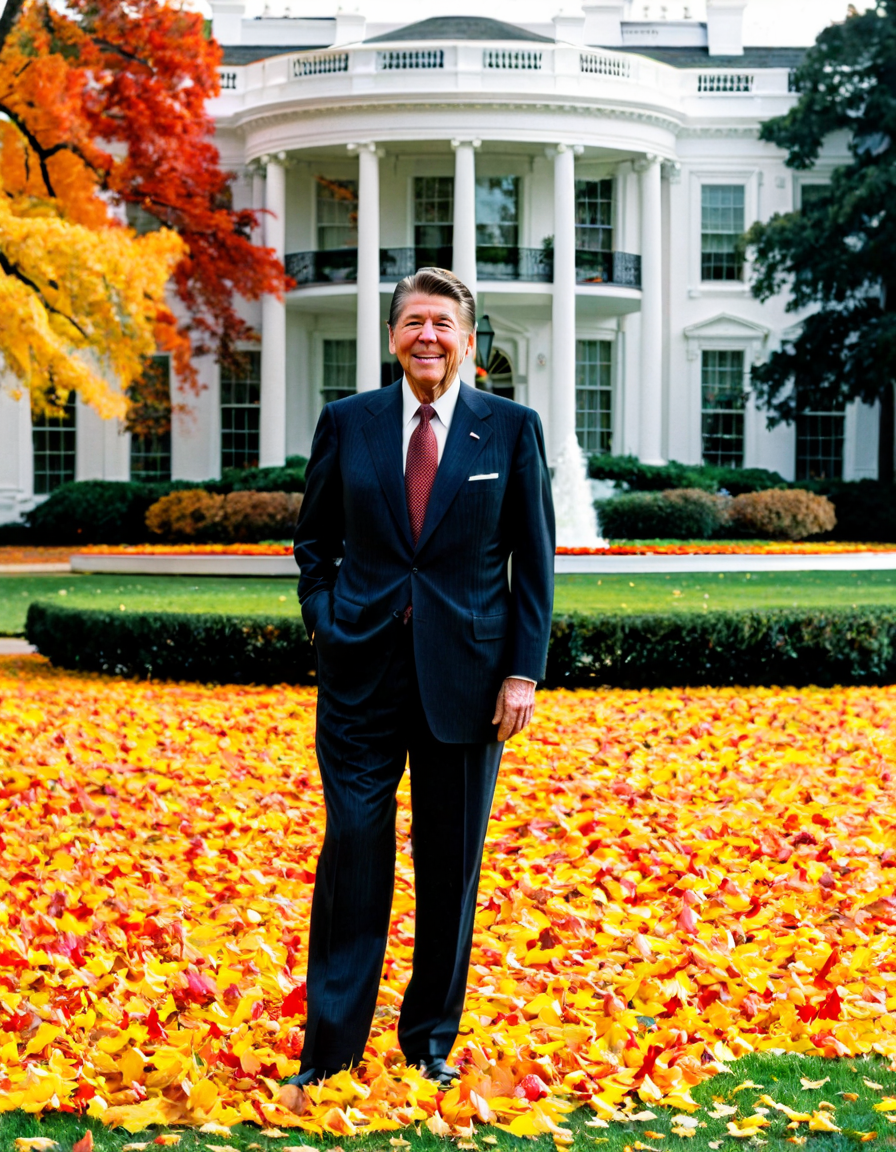
Ronald Reagan, often hailed as one of the most significant presidents in American history, made a lasting imprint through his bold policies, charismatic leadership, and cultural impact. His administration, from 1981 to 1989, introduced pivotal changes that reshaped the socioeconomic landscape of the United States. Reagan’s legacy inspires debate and reflection, not just in political circles but also among everyday Americans. As we explore Reagan’s transformative journey, we dive into the key policies that defined his presidency and the influence they have on our current political conversations.

7 Key Policies That Defined Reagan’s Impact on America
1. Economic Recovery Tax Act of 1981
Reagan’s Economic Recovery Tax Act was a landmark policy aimed at boosting the economy by cutting personal income tax rates by 25% over three years. This move set off the “Reagan Boom,” a period characterized by impressive job growth and soaring stock market numbers. By lowering taxes, Reagan’s approach fostered an environment conducive to investment and increased consumer spending. Americans had more cash in their pockets, allowing them to dream bigger and travel more, think luxury cruise vacations or weekend getaways at stunning Castles around the world.
2. Deregulation of Key Industries
Deregulation under Reagan dismantled barriers in important sectors like telecommunications and airlines, promoting competition that ultimately benefitted consumers. Take the airline industry, for example. Once controlled by regulations that dictated routes and prices, deregulation opened the skies to competition, resulting in lower fares and more options for travelers. The outcome? Increased accessibility allowed many more individuals to take to the skies, embracing global travel experiences that enriched personal and business journeys alike.
3. The Strategic Defense Initiative (SDI)
Reagan unveiled the Strategic Defense Initiative in 1983, aiming to develop a missile defense system that would protect the U.S. from nuclear threats. This ambitious project underscored Reagan’s commitment to a fortified military, but it also pushed the boundaries of technology and defense policy. Controversial as it was, SDI sparked heated debates about national security and evolved the landscape of military strategy. It presented a new face to the Cold War, a bold stance that signaled a shift toward a more defensive approach to international relations.
4. Reaganomics: Supply-Side Economics
Reaganomics hinged on the principle of supply-side economics, advocating for tax cuts, reduced government spending, and deregulation to foster economic growth. Notably, the U.S. economy witnessed a GDP growth of over 26% during his presidency, lifting millions out of economic malaise. This philosophy made Reagan a champion of fiscal conservatism. Although it’s still debated today, it undeniably shifted the course of American economic thought, making it a reference point for numerous administrations that followed.
5. Ending the Cold War
Reagan’s nuanced approach to the Soviet Union played a crucial role in the Cold War’s conclusion. His famous “Tear down this wall!” speech in 1987 became a rallying cry, urging the dismantling of oppressive regimes. The eventual collapse of the USSR in 1991 was a significant event, showcasing Reagan’s impact on promoting freedom and democracy globally. This feat not only defined his presidency but also carried profound implications for international relations that persist today.
6. Immigration Reform and Control Act of 1986
The Immigration Reform and Control Act aimed to tackle illegal immigration by offering amnesty to certain undocumented immigrants while tightening borders. This legislation sparked a wide array of responses and remains a hot topic of discussion in immigration debates today. The lasting impacts of this act still echo through contemporary policies and influence ongoing conversations about immigration reform and human rights in America.
7. Education Reforms: The National Standards Debate
Reagan’s push for national education standards and accountability set the stage for future education reform discussions. He championed initiatives to improve educational quality, laying groundwork for the debates over federal versus state control in educational policy. His efforts made access to quality education a priority, leading to changes that continue to shape academic environments across the country. As today’s educators and policymakers grapple with contemporary educational challenges, Reagan’s early stances remain a significant part of the discussion.

Reagan’s Leadership Style: Charisma Meets Conviction
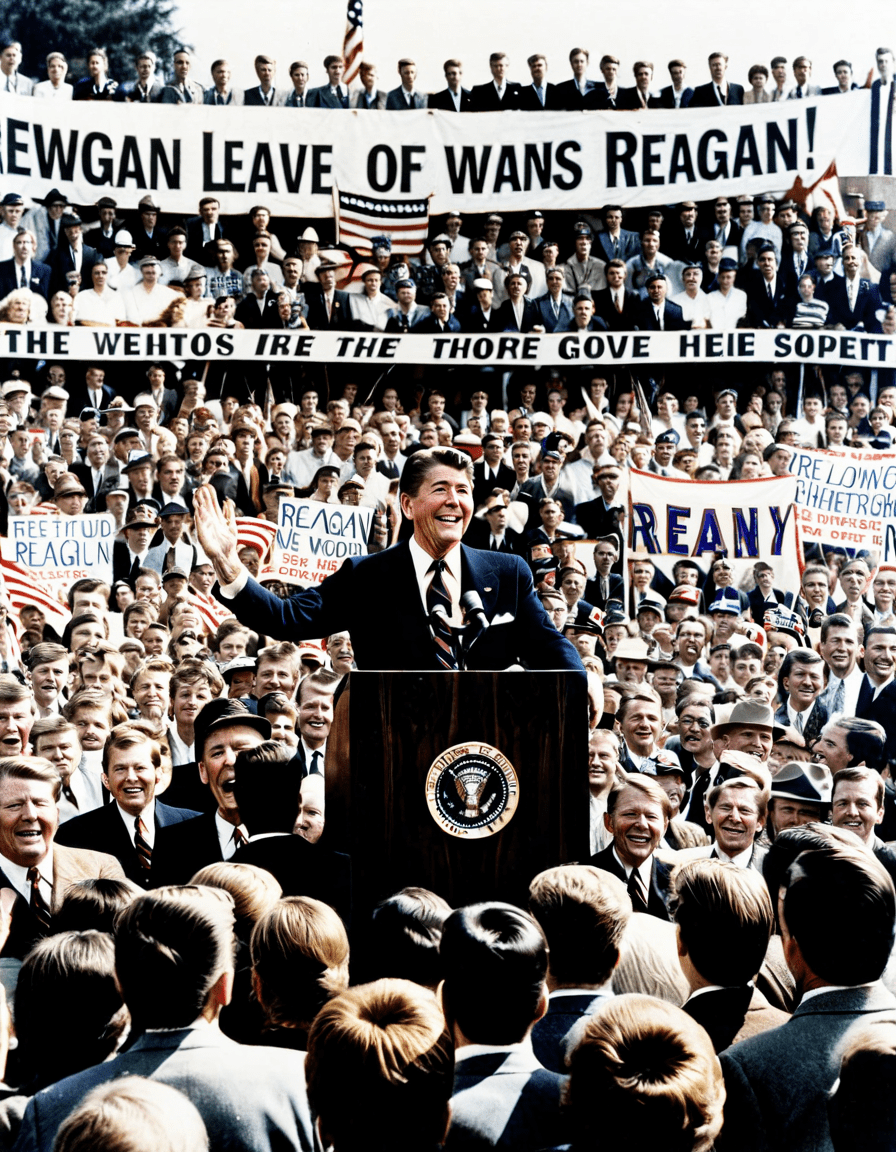
Reagan was known as “The Great Communicator” because of his ability to articulate a vision that resonated with people from all walks of life. His optimistic storytelling and clear sense of purpose invited Americans to believe in a brighter future. During his 1984 reelection campaign, he employed powerful narratives that connected policy decisions to ordinary Americans’ lives. By highlighting tangible benefits, Reagan made abstract concepts relatable, inviting fellow citizens to dream about a prosperous nation united by hope.
The Social Impact: Cultural Shifts and Media Influence
Reagan’s presidency influenced significant cultural shifts, fostering values around family, patriotism, and individualism. His conservative stance attracted widespread support and sparked conversations about the American identity. Additionally, televised debates and political strategies during his time underscored how media shaped public perceptions. As a result, Reagan’s leadership fostered a cultural dialogue that not only affected politics but also the very fabric of American life, connecting to facets like family values and community engagement in new and enduring ways.
Lasting Legacy: Influence on Future Leaders
The legacy of Reagan resonates through generations of American leaders. His blend of firm policies with an approachable demeanor influenced politicians such as George W. Bush and Donald Trump, who adopted elements of his style in their respective campaigns. By examining how these leaders interpreted and adapted Reagan’s philosophies, we gain insights into the ongoing evolution of American politics. This adaptation reflects the continuous strive for balance between strong governance and public appeal, a dynamic that remains relevant in today’s contentious political climate.
A Reflective Lens on Reagan’s Era
Reagan’s impact on American history is more than just a chapter in textbooks; it’s a lens through which we navigate contemporary governance and political discourse. His transformative leadership, strategic policymaking, and profound cultural influence continue to shape our world today. As we engage with today’s issues—be it economic policy or international relations—understanding Reagan’s contributions to these discourses provides valuable context. By reflecting on his achievements and challenges, we can strive for unity and optimism, ensuring that Reagan’s legacy inspires a future where potential knows no bounds.
Reagan: An Inspiring Legacy of a Transformative Leader
A Star on the Screen and a Voice in Politics
Did you know that before he was a president, Ronald Reagan enjoyed a thriving career as a Hollywood actor? His journey in the film industry spanned several decades, telling stories that resonated with audiences. Interestingly, he starred in films like Kings Row and was even in the 1994 action flick True Lies, showcasing his ability to capture hearts both on-screen and off. Reagan’s charisma wasn’t just limited to acting; it paved the way for his political career, making him a relatable figure for many Americans.
But Reagan wasn’t just a pretty face in films; his friendship with fellow actor John F. Kennedy also shaped his views on leadership and governance. They often exchanged letters, discussing their visions for America. You can dive deeper into their intriguing connection and its impact on Reagan’s path here. His experience with artists and entertainers didn’t just give him a platform; it helped him understand the common citizen’s struggles, making him a leader who connected with the heartbeat of the nation.
A Commander in a Time of Change
Reagan’s presidency was marked by significant global and domestic events. He took office during a time when the country was grappling with high inflation and a sense of hopelessness. His strategies led to what’s now known as the Reagan Revolution, igniting an economic boom that changed the landscape of America. It’s fascinating to note that amidst all these changes, his administration championed pop culture, too. He embraced the rising influence of artists like Cher, who famously crooned “Believe,” helping to create a culture of optimism that resonated through years to come.
His impactful legacy also extends to his stance on education and family values. One noteworthy mention is his support for initiatives aimed at promoting strong family units, which is reflective of values seen in various leaders throughout history, including those like Benjamin Franklin. Groundbreaking reforms under Reagan laid the foundation for future policies that upheld strong family values. To see how these ideals came to life, check out this insightful piece on Franklin’s legacy here.
The Ripple Effect of Reagan’s Leadership
Even after leaving office, Reagan’s influence continues to ripple through American politics, shaping discussions on leadership and governance. Known for his optimistic outlook, his approach inspired both supporters and skeptics to engage in dialogue. As a prominent figure in the conservative movement, his initiatives and remarks often ignite debates on topics like foreign policy and economic strategies. The dynamic nature of his leadership can be likened to a dramatic plot twist in a captivating series like Rebelde Way, where unexpected developments keep audiences on their toes.
Simultaneously, the challenges he faced, including fierce critics and political opposition, truly showcase the resilience needed for transformative leadership. He handled criticism with grace, embodying what it means to stand firm in one’s beliefs—traits that future leaders can learn from. It’s crucial to remember that discussions around iconic leaders like Reagan often touch upon aspects of public trust, much like an evolving narrative seen in current politics. Reagan’s legacy reminds us that even in the face of adversity, there’s always room for inspiration and transformation.
In sum, Reagan’s life story, filled with fascinating anecdotes and enduring lessons, encapsulates a transformative journey that still resonates today. Whether examining his Hollywood beginnings or his impactful presidency, it’s clear that he left a mark that exemplifies the power of leadership and vision in an ever-shifting landscape.