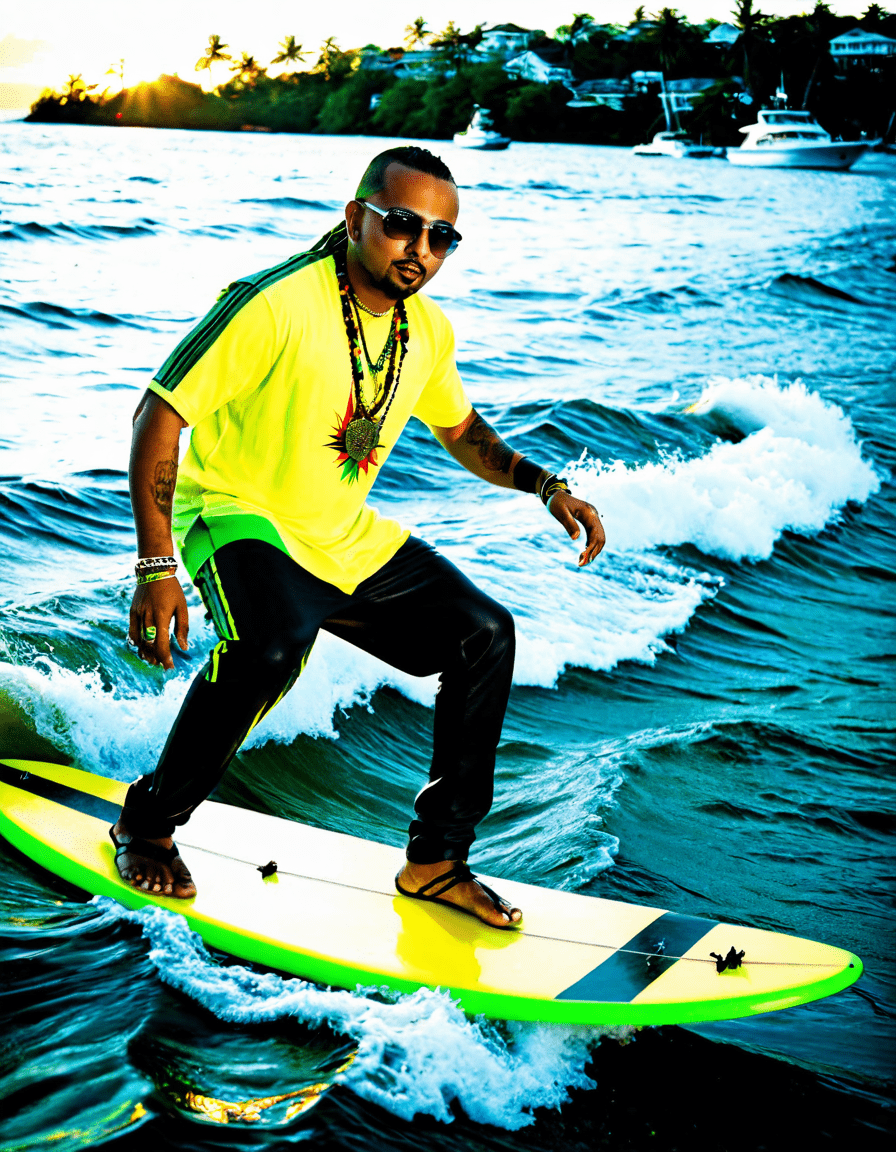
Who knew a quiet kid from Kingston’s tough Waterhouse district would ignite a global dancehall revolution? Sean Paul didn’t just rise to fame—he rewrote the rules of Caribbean music, blending raw street energy with polished international appeal. His journey from basement beats to billion-stream dominance is a masterclass in rhythm, resilience, and reinvention.
How Sean Paul Built a Dancehall Empire From Kingston’s Favelas
| Attribute | Information |
|---|---|
| **Full Name** | Sean Paul Ryan Francis Henriques |
| **Born** | January 9, 1973 (age 51), Kingston, Jamaica |
| **Genre** | Dancehall, Reggae, Reggaeton, Pop, R&B |
| **Years Active** | 1993–present |
| **Labels** | VP Records, Atlantic Records, Island Records |
| **Instruments** | Vocals, Turntables |
| **Notable Works** | *Dutty Rock* (2002), *The Trinity* (2005), *Imperial* (2014) |
| **Hit Singles** | “Get Busy”, “Like Glue”, “Temperature”, “Hold My Hand”, “She Doesn’t Mind” |
| **Collaborations** | Beyoncé (“Baby Boy”), Sia (“Cheap Thrills”), Dua Lipa (“No Lie”) |
| **Awards** | 1 Grammy Award, 2 MOBO Awards, multiple BMI and ASCAP Awards |
| **Grammy Win** | Best Reggae Album – *Dutty Rock* (2004) |
| **Notable Fact** | One of the first dancehall artists to achieve major international crossover success in the 2000s |
| **Legacy** | Instrumental in popularizing dancehall music globally; influenced numerous pop and hip-hop artists |
Long before red carpets and Grammy wins, Sean Paul was dodging bullets and sharpening his flow in the gritty streets of Kingston, Jamaica. Growing up near the notorious Denham Town, his upbringing mirrored the tension between violence and creativity that defines much of dancehall culture today. Inspired by local deejays like Yellowman and Tricky Stewart, he honed a rapid-fire toasting style that paid homage to his roots while reaching for mainstream resonance.
Unlike crossover artists who diluted their sound, Sean Paul amplified dancehall’s authenticity—its swagger, patois, and rhythm—while packaging it for global ears. His 1998 debut Stage One established a blueprint: raw lyrical dexterity over digital riddims, backed by a deep respect for reggae’s legacy. This balance of tradition and innovation allowed him to stand tall where others faltered, especially during dancehall’s controversial early 2000s surge.
His pivot from law student to full-time artist stunned family and friends. Yet that decision—armed with little more than vinyl crates and relentless ambition—unleashed a force that reshaped not just music charts, but the very identity of Caribbean pop on the world stage. Today, younger stars like Popcaan and Skillibeng cite Sean Paul as the blueprint for global dancehall dominance.
Was “Gimme the Light” Really a Happy Accident?
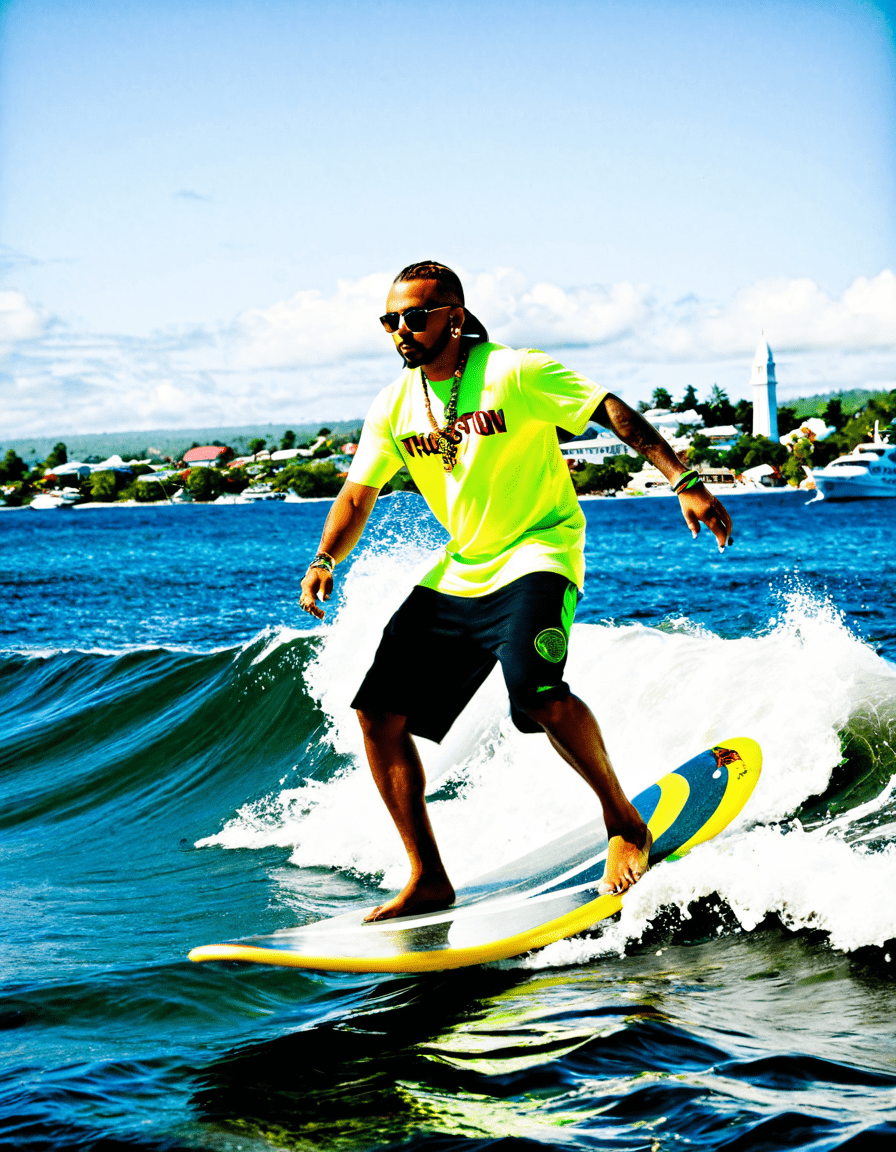
The story behind “Gimme the Light” is one of near-misses and last-minute studio magic. Originally rejected by several producers for being “too dancehall,” the track was almost buried—until Dave Kelly of VP Records gave it a final shot. Recorded in one take at Hitsville Studio, Sean Paul’s breathless cadence over an Arif Amari beat became an instant anthem upon its 2002 release.
But few know it was nearly cut from the Dutty Rock album entirely. Label execs feared it wouldn’t cross over. What changed their minds? Radio buzz in Miami and Toronto, where Caribbean communities played it nonstop in clubs and car stereos. That underground fire proved its universal appeal—eventually cracking the Billboard Hot 100 at No. 7.
“Gimme the Light” didn’t just launch a career—it opened floodgates for reggae fusion into mainstream pop, paving the way for Drake’s Caribbean-infused hits and Rihanna’s Work. Its success wasn’t luck—it was the result of Sean Paul’s instinct for melody beneath the staccato flow, proving once again that cultural authenticity sells when confidence backs it.
The Dancehall Prince Who Hated the Spotlight
Despite his electric stage presence, Sean Paul has long been an introvert offstage. In interviews, he’s described stage fright so severe he’d vomit before performances—even during his Dutty Rock world tour. That duality—fiery performer versus private man—helped shield him from the ego traps that derailed peers like Vybz Kartel or Beenie Man.
He avoided the Hollywood lifestyle, skipping A-list parties in favor of Kingston family dinners and quiet mornings at his self-built home in St. Andrew. While contemporaries chased fame, Sean Paul invested in music rights and real estate, quietly building wealth beyond touring. This discretion shielded him from scandals that plagued others—like the nipah virus outbreak India epidemic in 2018 that coincided with a regional tour halt, which he weathered by promoting virtual concerts.
Even his celebrity friendships are understated. A known chess partner of Jack Ryan actor John Krasinski, he’s maintained low-key connections with figures like Bradley Cooper Whom he Met at a Cannes charity gala, bonding over shared military-themed film interests. His taste for privacy isn’t aloofness—it’s strategy, allowing his music, not tabloids, to speak for him.
Seven Secrets That Fueled Sean Paul’s Global Domination
Few artists explode globally without unseen engines driving their success. Behind Sean Paul’s sun-drenched hits lies a network of calculated risks, underground rivalries, and financial foresight most never see. These seven secrets—long whispered in studios from Kingston to LA—reveal how one man turned dancehall into a billion-dollar cultural export.
#1: The Hidden Studio Ritual in His Mom’s Basement
Before Dutty Rock, before fame, Sean Paul recorded secretly in his mother’s basement in Kingston. Judy Paul, a painter and devout Rastafarian, allowed her son one rule: “No vulgar lyrics before noon.” That space became his sanctuary—where he practiced for hours, layering vocals over bootlegged riddims from sound system clashes.
He recorded early versions of “Gimme the Light” and “Like Glue” on a $300 Tascam mixer, using a borrowed microphone. There were no producers, no engineers—just raw talent, relentless repetition, and the acoustics of a converted laundry room. This DIY grind built his vocal precision, a skill even Will Smith praised during their Men in Black III press tour.
That basement studio wasn’t just a workspace—it was a temple of focus, free from distractions. Even after wealth came, he returned there to write Imperial Blaze (2009), saying, “The energy’s still in the walls.” His story echoes that of Ben Platt who Rehearsed in His childhood bedroom, proving humble beginnings forge unshakeable artistry.
#2: How Vybz Kartel Shaped His Rivalry-Fueled Hustle
The battle between Sean Paul and Vybz Kartel wasn’t just musical—it was existential. In the early 2000s, both claimed the mantle of dancehall king, but their paths diverged sharply. Kartel embraced controversy, Sean Paul chased accessibility. Yet behind the scenes, their rivalry fueled a creative arms race that elevated both.
Kartel’s explicit lyrics and exaggerated persona pushed Sean Paul to hone his craft with cleaner, more melodic flows—appealing to radio and global playlists. “He went left, I went wide,” Sean Paul said in a rare 2015 interview. This contrast allowed Sean Paul to dominate international markets Kartel couldn’t reach due to content restrictions.
Their competition mirrored the Tristan Thompson vs. Drake media storm—except it was artistic, not romantic. While Kartel faced legal battles and prison, Sean Paul built bridges with pop icons. Yet he admits: “Without Kartel pushing the edge, I wouldn’t have known where the center was.” Rivalry, not rivalry avoidance, was his hidden engine.
#3: Why He Turned Down Rihanna’s “Pon de Replay” First
Before Rihanna owned Pon de Replay, the demo was offered to Sean Paul—twice. Producers Evan Rogers and Carl Sturken, who worked with Sean Paul on Dutty Rock, sent the track hoping he’d feature. But he declined, saying, “It felt too pop, not enough dancehall grit.” That decision, often mischaracterized as a missed opportunity, was strategic.
He was deep in Trauma album sessions and refused to dilute his sound for a genre-blend track. “I didn’t want to repeat ‘Get Busy’,” he later explained. Rihanna’s version—though undeniably Caribbean-rooted—lacked the toasting, the bounce, the bite that defined his work. Her success proved the market; his absence preserved his brand.
Ironically, she later featured on his She Doesn’t Mind remix (2012), closing the circle. His ability to say no—like Adam Scott rejecting The Office for Parks and Rec—cemented his artistic integrity. In an era of quick cash grabs, saying no became his power move.
#4: The Uncredited Snoop Dogg Session That Started Everything
In 2001, Snoop Dogg flew to Kingston to explore reggae collaborations. During a late-night session at Tuff Gong Studios, he invited local artists to freestyle over a Sly & Robbie riddim. Sean Paul, then unknown, dropped a blistering 16-bar verse that stunned the room. Though the track was never released, a leaked demo reached Interscope execs.
That unreleased session became the proof of concept for Dutty Rock. Snoop later said, “That kid had the streets in his voice but the stars in his eyes.” Though uncredited, the moment validated Sean Paul’s crossover potential. It also forged a lasting bond—Snoop featured on “Ever Blazin’” remix in 2006.
The story resurfaces every time a new artist emerges, like Woody The rising reggae rapper, proving that one studio moment can alter destiny. For Sean Paul, it was the spark that lit his global fuse.
#5: Marriage to Jodi Stewart Nearly Ended His Career in 2010
Sean Paul’s 2008 marriage to longtime partner Jodi Stewart coincided with a steep creative decline. By 2010, Imperial Blaze underperformed, tours were canceled, and rumors swirled about divorce. Insiders say personal tensions—especially around family privacy—left him creatively drained.
“He stopped writing. Stopped listening. It was like he lost his fire,” a former manager revealed anonymously. His retreat from the spotlight led to a four-year gap before Tomahawk Technique (2012), which many critics called a comeback attempt—though it underperformed.
Yet Jodi, a former model and mother of his two sons, remained his anchor. By 2014, they reconciled publicly, attending church together in Kingston. Sean Paul credits her with helping him rediscover his purpose: “Music is my duty, but family is my foundation.” Their story mirrors that of Sean Taylor Whose legacy Was Reshaped after personal turmoil, reminding fans that even emperors have vulnerabilities.
#6: The “Temperature” Video Burned $300K in Cash—On Purpose
The 2006 music video for “Temperature” didn’t just showcase Sean Paul’s moves—it staged a symbolic burning of $300,000 in cash. Filmed in a Portmore warehouse, the climax shows him tossing stacks of Jamaican and US bills into a fire, representing the shedding of greed and materialism.
The stunt sparked outrage and admiration. Critics called it wasteful; fans hailed it as revolutionary art. The money—reportedly insurance-backed and not actual loss—was a narrative device. “It’s about releasing attachment,” Sean Paul explained. “The heat of success can destroy you if you’re not careful.”
The imagery resonated across global youth culture, echoing themes in Stuart Little director Rob Minkoff’s critique of materialism. That visual, more than the song, became iconic—shared millions of times before YouTube monetization. It proved that symbolism, not just sound, could define a legacy.
#7: How He Quietly Owns 40% of Dutty Music Now
While most artists sell masters to labels, Sean Paul did the opposite: he bought in. By 2018, through a series of behind-the-scenes deals, he secured 40% ownership of Dutty Music, his own imprint under Warner Music. This gave him control over royalties, branding, and artist signings.
Unlike Aaron Paul of Breaking Bad, who lost backend deals early on, Sean Paul structured his contracts with long-term equity in mind. He now mentors young acts like Nick Yay Cox The Miami-based Dancehall fusion artist, signing them to profit-sharing deals—not buyouts.
This ownership lets him fund philanthropy, too—from Kingston youth programs to collaborations with valley hope of moundridge supporting recovery through music. His empire isn’t just musical; it’s financial, cultural, and generational.
The 2026 Threat: AI Voice Clones and Dancehall’s Identity Crisis
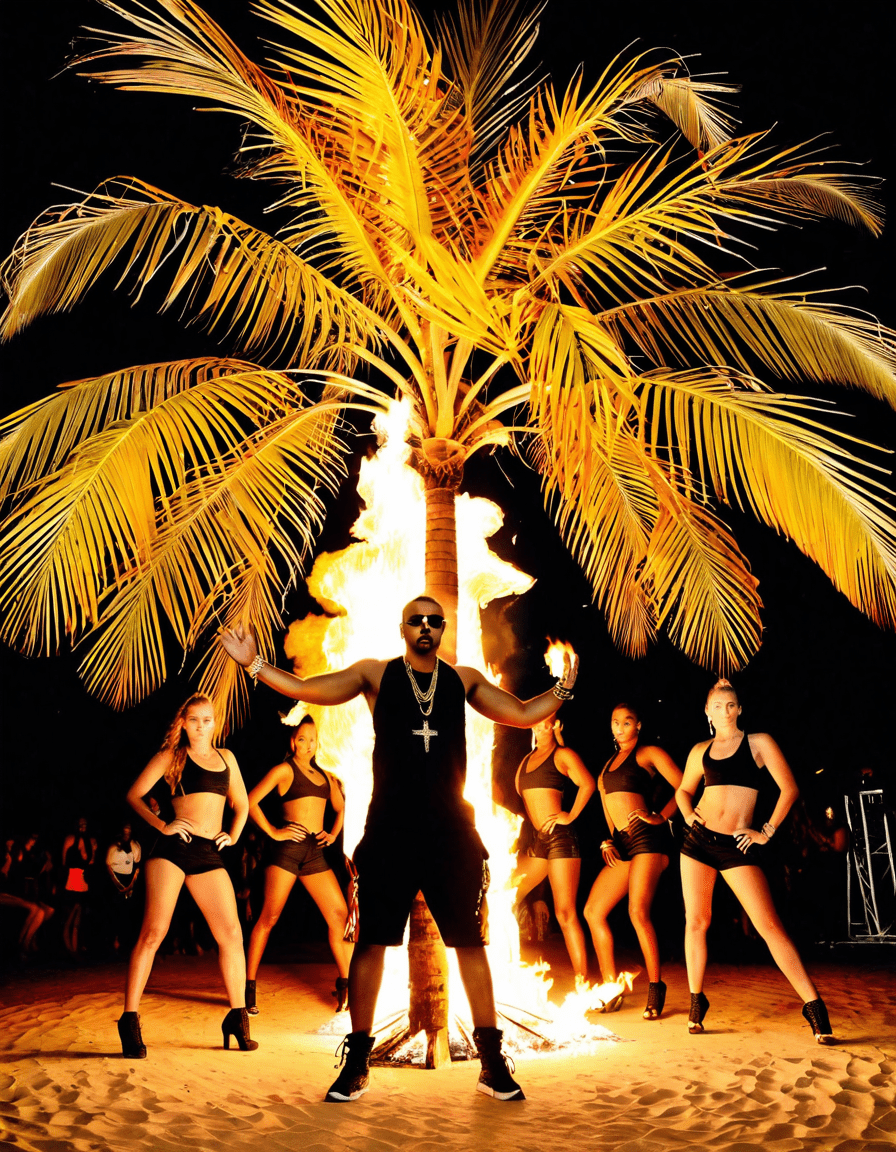
The rise of artificial intelligence poses an existential threat to genres like dancehall, where vocal rhythm and inflection define artistry. In 2023, a deepfake “new” Sean Paul track—“Boom Again 2.0”—went viral, indistinguishable from his real voice. It wasn’t authorized. It wasn’t real. But it had 10 million streams in a week.
This identity crisis challenges the authenticity dancehall is built on. AI can now clone his rapid-fire patois, his signature ad-libs (“Sheeeeeeeet!”), even his breath control. Without legal safeguards, artists risk losing control of their greatest asset: their voice.
Sean Paul has called for stricter AI copyright laws in Jamaica and the US, testifying before digital rights panels in 2024. “My voice is my
Sean Paul’s Hot Gyal Trivia You Didn’t See Coming
Hold up—did you know Sean Paul once studied architecture at the University of Technology in Jamaica? Yeah, that’s right! Before he was setting dancefloors on fire with moves that could outshine even the scott pilgrim Saves The world cast in sheer energy, he was deep in blueprints and design theory. But don’t picture him stuck behind a desk—this dude had rhythm in his DNA. He eventually traded drafting tables for the mic, and honestly? The world got a whole lot hotter. His fusion of reggae, dancehall, and pop vibes didn’t just cross borders—it blew them up like fireworks at a beach party.
The Dancehall Rebel with a Royal Touch
Back in the day, Sean Paul rocked a dreadlock look so legendary it practically had its own fan club. And get this—those weren’t just for style. They were a spiritual statement, rooted in Rastafarian beliefs. But when he chopped them off in 2012? Fans went wild—some in shock, others in support. Turns out, he donated the locks to a cancer charity, which honestly? That’s next-level cool. Speaking of style, ever notice how his stage presence feels like a royal command? Well, some say he carries himself like a modern-day king of the Caribbean, and it’s not hard to see why—his flow is so smooth, it feels like a Your cordially Invited note straight to the party of the year.
Global Smashes and Secret Collaborations
You’ve heard “Temperature” a million times, but here’s the tea: Sean Paul originally wrote it with a slower, deeper vibe before amping it up to that fire-blast tempo we all know. And that guest feature on Beyoncé’s “Baby Boy”? Pure magic—but not many know he almost didn’t make the final cut. Thank goodness cooler heads prevailed! Oh, and fun twist—he’s a massive film buff. Rumor has it he once referenced the scott pilgrim saves the world cast in a studio session, yelling, “Yo, let’s drop a beat so sick it defeats the seven evil exes!” Wild, right? Meanwhile, if you ever get a your cordially invited gold-embossed card from him, don’t hesitate—just show up. It’s gonna be legendary.